

Discover essential nutrition tips for women over 30 to boost energy, manage weight, and support bone health. Science-backed strategies for women’s health nutrition.
A Practical Guide to Eating Right in Your 30s and Beyond
Turning 30 feels like a milestone moment. Many women suddenly notice changes in their energy levels, metabolism, and how their body responds to food. Your nutritional needs shift after 30, and what worked in your twenties might not deliver the same results anymore.
This is completely normal and nothing to stress about. The good news? With the right nutrition tips for women over 30, you can feel more energized, maintain a healthy weight, and build stronger bones than ever before. In this guide, we’ll walk through practical, evidence-based strategies that fit real life, not just fitness magazines.
RECOMMENDED POST: How to Start Eating Healthy
Whether you’re dealing with mysterious weight gain, constant fatigue, or simply want to establish better eating habits now, you’ll find actionable advice here. Let’s dive into what your body actually needs after 30.
1. Why Your Nutritional Needs Change After 30
Your body goes through real changes after 30, and it’s not just in your head. Metabolism naturally slows down by about 2-8% per decade after age 30, which means your body burns fewer calories at rest than it did before.
Hormone levels also shift. Estrogen begins a gradual decline during your 30s and 40s, which affects how your body stores fat, maintains bone density, and regulates appetite. For women’s health nutrition, understanding these changes is the first step toward working with your body instead of against it.
Additionally, your digestive system becomes less efficient at absorbing certain nutrients. Stomach acid production decreases, making it harder to absorb vitamin B12, iron, and calcium. This doesn’t mean these nutrients become less important. Quite the opposite, actually.
Key changes after 30 include:
- Slower metabolism requiring fewer calories
- Declining estrogen affecting fat storage and distribution
- Decreased nutrient absorption capacity
- Changes in muscle mass maintenance (loses about 3-5% per decade)
- Shifting energy needs and activity tolerance
- Bone density plateaus requiring preventive nutrition
The silver lining? When you understand these changes, you can adjust your nutrition tips for women over 30 to work with them. This leads to better results than fighting against your natural physiology.
2. The Protein Priority for Women Over 30
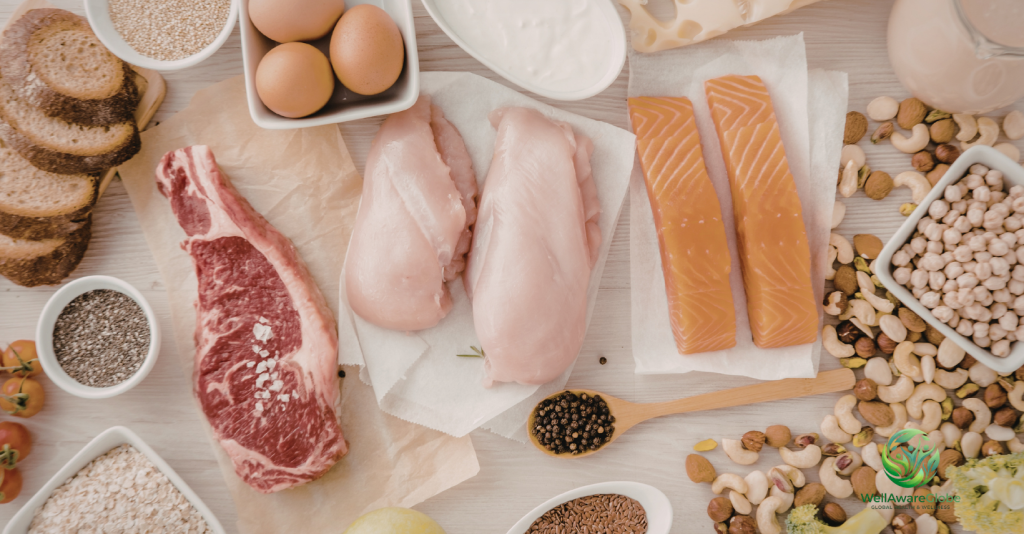
Here’s something many women get wrong after 30: they don’t eat enough protein. Protein becomes increasingly important for maintaining muscle mass, supporting metabolism, and keeping you feeling full longer.
The recommended dietary allowance (RDA) for protein is 46 grams daily for average women. However, research suggests women over 30 who want to maintain muscle mass benefit from 1.2 to 1.6 grams of protein per kilogram of body weight. For a 70-kilogram woman, that’s roughly 84 to 112 grams daily.
This doesn’t mean you need to eat chicken breast at every meal. Protein comes in many forms, and variety matters for nutritional needs women should focus on.
Best protein sources for women over 30:
- Greek yogurt (15-20g protein per serving)
- Eggs and egg whites (6-7g per egg)
- Lean meats like chicken and turkey (25-35g per serving)
- Fish like salmon and sardines (25g per serving, plus omega-3s)
- Legumes like lentils and chickpeas (15-20g per cooked cup)
- Cottage cheese (14g protein per half cup)
- Nuts and seeds (5-8g per ounce)
- Whole grains like quinoa (8g per cooked cup)
Why protein matters after 30:
Protein supports muscle maintenance without exercise. It boosts your thermic effect of food, meaning your body burns more calories digesting protein than carbohydrates or fat. Protein keeps blood sugar stable, reducing energy crashes and cravings. It also promotes better sleep quality and recovery.
Aim to include a protein source at every meal. This doesn’t require extra effort once you develop the habit. Start with breakfast, where many women fall short. A breakfast with 20-30 grams of protein can set the tone for better eating throughout the day.
3. Metabolism After 30: What You Need to Know
The metabolic slowdown after 30 is real, but it’s not an excuse to restrict calories aggressively. In fact, undereating makes metabolism worse.
Your metabolic rate depends on several factors: age, body composition, activity level, and genetics. While you can’t change your genes or age backwards, you can influence the other factors significantly.
Muscle tissue burns more calories at rest than fat tissue. This is why maintaining and building muscle becomes increasingly important for women over 30. You need strength training combined with adequate protein to preserve muscle mass as your metabolism naturally slows.
How to support healthy metabolism after 30:
- Eat enough calories (don’t drastically restrict)
- Include protein at every meal
- Do strength training 2-3 times weekly
- Stay hydrated (dehydration slows metabolism)
- Get adequate sleep (7-9 hours nightly)
- Manage stress levels
- Include variety in your diet
Many women over 30 make the mistake of eating 1,200 calories daily, which is typically too low. This causes muscle loss, hormonal disruption, and ironically, makes weight management harder. Eating to support your body, not punish it, gives better long-term results.
Focus on whole foods, adequate protein, and consistent strength training. These three factors do more for healthy metabolism after 30 than any special diet or supplement ever will.
4. Building Stronger Bones Through Nutrition
Bone density peaks in your early 30s, then gradually decreases. This is especially important for women because estrogen drops significantly around menopause, accelerating bone loss.
The time to build bone strength is now. Nutrition tips for women over 30 must include bone health because preventing osteoporosis is far easier than treating it later.
Calcium remains essential. Women over 30 need 1,000 to 1,200 mg daily. But calcium alone doesn’t do the job. Vitamin D, magnesium, and other minerals work together to build and maintain bone density.
Key nutrients for bone health:
- Calcium (1,000-1,200 mg daily)
- Vitamin D (1,000-2,000 IU daily, ideally from sun exposure and food)
- Magnesium (310-320 mg daily for women)
- Vitamin K (90 mcg daily)
- Phosphorus (700 mg daily)
- Boron (small amounts, found in many foods)
Best sources of bone-building nutrients:
For calcium: Dairy products, fortified plant milks, leafy greens like kale and collards, sardines with bones, sesame seeds.
For vitamin D: Fatty fish, egg yolks, fortified milk and cereals, mushrooms exposed to sunlight.
For magnesium: Almonds, spinach, pumpkin seeds, black beans, dark chocolate (yes, really).
For vitamin K: Broccoli, Brussels sprouts, kale, cabbage, leafy greens.
Strength training matters just as much as nutrition for bones. Weight-bearing exercise like walking, running, or resistance training stimulates bone building. Combined with proper nutrition, exercise helps maintain strong bones through your 30s and beyond.
5. Managing Energy and Hormonal Balance
Low energy is one of the most common complaints from women over 30. Sometimes it’s lifestyle, sometimes it’s nutrition, and often it’s both.
Blood sugar stability directly affects energy levels. When you eat refined carbohydrates or simple sugars alone, your blood sugar spikes and crashes, leaving you exhausted. Adding protein, healthy fats, and fiber to meals prevents these crashes.
Iron becomes especially important for women of childbearing age. Even with regular periods, many women develop low iron, leading to fatigue, weakness, and brain fog. Women ages 19-50 need 18 mg of iron daily.
Foods rich in iron include:
- Red meat (highest bioavailability)
- Poultry
- Fish and shellfish
- Beans and lentils
- Fortified cereals
- Dark leafy greens (lower bioavailability but still useful)
- Dried fruits
Vitamin C helps your body absorb iron better. Pair iron-rich foods with orange juice, tomatoes, or bell peppers for enhanced absorption.
Simple ways to stabilize energy:
- Eat regular meals every 3-4 hours
- Include protein and fat with carbohydrates
- Choose whole grains over refined carbs
- Stay hydrated throughout the day
- Limit caffeine after 2 PM
- Include foods with B vitamins (energy production depends on B6, B12, and folate)
Many women find that consistent meal timing prevents the afternoon energy crash better than any energy drink ever could.
6. Smart Eating Habits That Last
Nutrition tips for women over 30 don’t require perfection or complicated meal plans. Sustainable habits beat restrictive diets every single time.
The best diet is the one you’ll actually follow. Whether that’s Mediterranean-style eating, balanced macronutrients, plant-based nutrition, or something else entirely matters less than consistency.
Building habits that stick:
- Start with one change at a time
- Meal prep on one day each week
- Keep healthy snacks visible and convenient
- Drink enough water (often confusion between thirst and hunger)
- Practice mindful eating without distractions
- Don’t keep trigger foods easily accessible
- Focus on adding nutrition, not just removing foods
Your mindset matters tremendously. If you view healthy eating as temporary restriction, you’ll return to old habits. If you see it as nourishing your body to feel better, the changes stick naturally.
Track your energy, mood, and how your clothes fit more than the scale. These are better indicators of healthy habits working than daily weight fluctuations.
Real-World Example: How Sarah Transformed Her Health
Sarah, 34, had always been slim but felt exhausted constantly. She assumed this was just part of getting older. Her doctor ruled out thyroid issues and anemia, so she decided to look at her nutrition.
She was eating about 1,500 calories daily, mostly carbohydrates and skipping protein entirely. She’d trained herself to ignore hunger cues because she worried about gaining weight.
Sarah’s changes:
- Increased daily calories to 1,900 by adding protein at each meal
- Replaced refined breakfast cereal with Greek yogurt and berries
- Started eating a palm-sized protein portion at lunch and dinner
- Added strength training twice weekly
- Prioritized sleep, aiming for eight hours nightly
Within four weeks, Sarah’s energy transformed. She didn’t feel constant fatigue, her mood improved, and surprisingly, she felt more confident in her body. Within three months, she’d maintained her weight while feeling significantly stronger.
Sarah’s story represents what happens when women over 30 eat adequate nutrition instead of restricting. Your body responds when you fuel it properly.
Frequently Asked Questions
Do women over 30 need to eat less than younger women?
Not necessarily. While metabolism slows slightly, the difference is modest (100-200 calories daily). Focus on nutrient density and include adequate protein rather than overall restriction. Many women over 30 actually eat too little, making health worse.
Is it harder to lose weight after 30?
Weight loss becomes slightly slower due to metabolic changes and muscle loss, but it’s absolutely possible. The key is strength training to preserve muscle, adequate protein intake, and patience with the process. Extreme restriction typically backfires, causing muscle loss and eventual weight regain.
Can I still eat carbohydrates if I want to maintain my weight after 30?
Yes. Carbohydrates aren’t the enemy at any age. Choose whole grains, fruits, and vegetables, and pair them with protein and healthy fats. This prevents blood sugar crashes and keeps you satisfied longer. Refined carbohydrates consumed alone are where problems usually arise.
Nutrition Tips Summary
Nutrition tips for women over 30 come down to working with your changing body instead of against it. Your nutritional needs have shifted, and that’s actually an opportunity to optimize your health in new ways.
Focus on adequate protein, whole foods, bone-building nutrients, and consistent strength training. These fundamentals address every major health concern women over 30 face: energy, weight management, bone strength, and overall vitality.
Start with one change this week. Add a protein source to breakfast, or schedule a weekly strength training session. Small consistent actions compound into major health improvements over months and years.
Your 30s and beyond can be your healthiest, most energetic years yet. The investment you make in nutrition now pays dividends in the decades to come.
Disclaimer: This article provides general nutritional information and should not replace advice from a qualified healthcare provider or registered dietitian. Individual nutritional needs vary based on health status, medications, and personal factors. Consult with a healthcare professional before making significant dietary changes, especially if you have existing health conditions.



Leave a Reply