Healthy Eating Tips for Beginners: The Complete Guide to Starting a Nutritious Diet

Discover healthy eating tips for beginners with this complete guide to starting a nutritious diet, including meal ideas, food choices, and simple daily habits.
What Are the Best Healthy Eating Tips for Beginners?
The best healthy eating tips for beginners are: eating whole, minimally processed foods, filling half your plate with vegetables and fruits, choosing lean protein sources, drinking at least 8 glasses of water daily, planning meals in advance, reducing added sugar and refined carbohydrates, and eating mindfully by slowing down at mealtimes. These foundational habits, backed by registered dietitians and evidence-based nutrition science, help beginners build sustainable dietary patterns without extreme restriction.
Why Healthy Eating Feels Hard and How to Make It Simple
Starting a healthy diet can feel overwhelming. Between conflicting advice online, trendy elimination diets, and the sheer volume of nutrition information out there, most beginners do not know where to begin. Or they try too hard, too fast, and burn out within a few weeks.
The truth is, healthy eating does not require a complete lifestyle overhaul overnight. Research consistently shows that small, consistent dietary changes produce more lasting results than radical diet transformations. According to the World Health Organization (WHO), a healthy diet helps protect against malnutrition as well as noncommunicable diseases including diabetes, heart disease, and certain cancers.
This guide is written for real beginners: people who want evidence-based, practical, and sustainable nutrition advice, not quick fixes or fad diets. Whether your goal is weight management, improved energy levels, better gut health, or simply a stronger relationship with food, the principles in this article apply to you.
Understanding the Foundation of a Balanced Diet
Before diving into specific tips, it is essential to understand what a balanced diet actually means. A nutritionally complete diet provides your body with the right amounts of macronutrients, which are carbohydrates, proteins, and fats, as well as essential micronutrients like vitamins and minerals.
The Three Macronutrients Explained
Carbohydrates
Carbohydrates are your body’s primary energy source. The key is choosing complex carbohydrates over refined ones. Whole grains, legumes, oats, and vegetables provide sustained energy and dietary fiber, while white bread, sugary drinks, and pastries cause rapid blood sugar spikes followed by energy crashes.
Proteins
Protein is critical for muscle repair, immune function, enzyme production, and satiety. Lean protein sources include chicken breast, fish, eggs, tofu, beans, lentils, and low-fat dairy. Aim for a protein source at every meal to stay fuller for longer and support your body’s daily repair processes.
Healthy Fats
Dietary fat is not the enemy. Unsaturated fats found in avocados, nuts, seeds, and olive oil support cardiovascular health and brain function. It is the trans fats and excessive saturated fats found in ultra-processed foods that cause harm over time.
Micronutrients: The Silent Workers
Vitamins and minerals, though needed in smaller quantities, are absolutely indispensable. Key ones to pay attention to include:
- Vitamin D – Supports bone health and immune response. Obtained from sunlight and fortified foods.
- Iron – Essential for oxygen transport. Found in red meat, spinach, and legumes.
- Calcium – Vital for bone density. Found in dairy, leafy greens, and fortified plant milks.
- Potassium – Supports heart and muscle function. Found in bananas, sweet potatoes, and avocados.
- Magnesium – Involved in over 300 biochemical reactions in the body. Found in nuts, seeds, and dark chocolate.
10 Healthy Eating Tips for Beginners (Evidence-Based)
Tip 1: Start with the Half Plate Rule
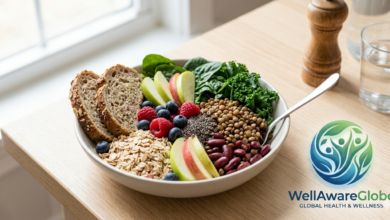
One of the simplest and most effective nutrition strategies comes from Harvard’s Healthy Eating Plate model. The idea is to fill half your plate with vegetables and fruits at each meal, one quarter with whole grains, and one quarter with protein. This visual guide removes the need for calorie counting or complex meal planning. It ensures fiber intake, micronutrient diversity, and appropriate portion control all at once.
Tip 2: Prioritize Whole, Minimally Processed Foods
The most transformative shift a beginner can make is replacing ultra-processed foods like packaged snacks, fast food, and sugary cereals with whole foods. Whole foods are those that are as close to their natural state as possible, such as fresh vegetables, fruits, legumes, whole grains, lean meats, and eggs.
The NOVA food classification system, developed by researchers at the University of Sao Paulo, is a widely respected framework for understanding food processing levels. Reducing intake of NOVA Group 4 ultra-processed foods is strongly associated with reduced risk of obesity, type 2 diabetes, and cardiovascular disease.
Tip 3: Hydrate Intentionally
Water plays a foundational role in digestion, nutrient absorption, body temperature regulation, and cognitive function. Yet dehydration is extraordinarily common among people who think they are eating well but are still feeling tired or sluggish.
A practical goal for beginners is to drink at least 8 cups or 2 liters of water per day. Many people confuse thirst with hunger, which leads to unnecessary snacking. Drinking a glass of water before meals also promotes appropriate portion sizes by helping you feel less intensely hungry when you sit down to eat.
Avoid substituting water with sugary beverages. Even 100 percent fruit juice, which is often marketed as healthy, contains concentrated sugar without the fiber benefit of whole fruit.
Tip 4: Do Not Skip Breakfast, But Make It Count
For most beginners, eating a nutrient-dense breakfast sets a positive metabolic and behavioral tone for the entire day. A well-balanced breakfast reduces mid-morning cravings and helps stabilize blood sugar levels so you are not reaching for a vending machine snack before lunch.
Some practical breakfast ideas for beginners include:
- Oatmeal topped with berries and a tablespoon of nut butter
- Two eggs with whole grain toast and a side of leafy greens
- Greek yogurt with fresh fruit and flaxseeds
Tip 5: Reduce Added Sugar Gradually
Added sugar is one of the most significant contributors to poor dietary health. It shows up not only in sweets and sodas, but in salad dressings, bread, pasta sauces, and flavored yogurts. You might be eating more sugar than you realize without touching a single candy bar.
The American Heart Association recommends no more than 25 grams or 6 teaspoons of added sugar per day for women, and 36 grams or 9 teaspoons for men. Most people consume two to three times that amount daily without realizing it.
The beginner’s approach here is not to eliminate sugar overnight. Instead, identify your three biggest sources of added sugar and reduce them one at a time over several weeks. This gradual approach is far more sustainable than going cold turkey.
Tip 6: Embrace Meal Prepping
Meal planning and prep is one of the most powerful tools for dietary consistency. When healthy food is ready to eat in your fridge, you are far less likely to reach for processed convenience foods when hunger strikes after a long day.
A beginner-friendly meal prep routine looks like this:
- Choose one day per week to cook in bulk. Sunday works well for many people.
- Cook a large batch of grains like brown rice or quinoa.
- Roast a variety of vegetables with olive oil and seasoning.
- Prepare a protein source such as baked chicken, boiled eggs, or cooked lentils.
- Store everything in portioned containers and refrigerate for the week ahead.
Tip 7: Practice Mindful Eating
Mindful eating is the practice of being fully present during meals. That means noticing the taste, texture, and aroma of food, eating slowly, and recognizing genuine hunger and fullness cues rather than eating on autopilot.
Studies published in the journal Appetite show that mindful eating is linked to reduced caloric intake, improved digestion, greater meal satisfaction, and lower rates of emotional or binge eating. For beginners, this can start simply. Eat at a table without your phone or television, chew your food thoroughly, and pause halfway through a meal to check whether you are still genuinely hungry.
Tip 8: Add Before You Subtract
A common mistake beginners make is focusing entirely on restriction, meaning what they cannot or should not eat. This scarcity mindset often leads to rebound overeating and a complicated emotional relationship with food.
A more sustainable approach is to add nutritious foods to your diet first rather than immediately eliminating the foods you enjoy. Add a side salad to your lunch. Add a serving of fruit to your breakfast. Add a glass of water with every meal. Over time, as nutrient-dense foods fill your plate, the processed foods naturally take up less space without the psychological cost of deprivation.
Tip 9: Learn to Read Nutrition Labels
Nutrition label literacy is an underrated life skill. Understanding what is in your food allows you to make better grocery decisions without relying on marketing claims like low fat, natural, or multigrain, which are often misleading terms that do not guarantee a healthy product.
When reading a food label, focus on these key areas:
- Serving size – Many packages contain multiple servings, so the numbers on the label may only reflect a fraction of what you actually eat.
- Added sugars – Listed separately from total sugars since the 2020 FDA labeling update.
- Sodium – Aim for under 600mg per serving in packaged foods.
- Ingredient list – The shorter and more recognizable the list, the better.
- Fiber content – Look for at least 3 grams per serving in grain products.
Tip 10: Build Sustainable Habits, Not Perfect Ones
Perhaps the most important tip of all is this: consistency beats perfection. Healthy eating is not about eating flawlessly 100 percent of the time. It is about building a dietary pattern that is nutritious most of the time, flexible enough to accommodate real life, and sustainable over the long term.
Research in behavioral psychology shows that habit formation relies on consistent repetition in stable contexts. Tying new eating behaviors to existing routines, a technique known as habit stacking, dramatically increases how well those behaviors stick. For example, you might tell yourself: after I pour my morning coffee, I will add a piece of fruit to my breakfast. The existing habit acts as a trigger for the new one.
Common Beginner Mistakes to Avoid
Going Too Extreme Too Quickly
Eliminating entire food groups, drastically cutting calories, or adopting a highly restrictive diet from day one is a recipe for burnout. Sustainable dietary change is always incremental. Give yourself permission to improve over weeks and months, not overnight.
Confusing Healthy Marketing with Actual Nutrition
Foods labeled gluten-free, organic, keto-friendly, or plant-based are not automatically healthy. These terms describe specific characteristics of a product but say nothing about its overall nutritional quality. Always verify with the nutrition label and ingredient list rather than trusting front-of-package claims.
Neglecting Sleep and Stress
Sleep deprivation elevates the hunger hormone ghrelin and suppresses leptin, which is the satiety hormone, and this directly undermines healthy food choices throughout the day. Chronic stress similarly drives cravings for high-fat, high-sugar comfort foods. Healthy eating cannot be fully separated from sleep hygiene and stress management. They all work together.
Eating Too Few Calories
Under-eating suppresses metabolism, causes muscle loss, impairs cognition, and is simply not sustainable. Unless medically supervised, avoid dropping below 1,200 calories per day for women or 1,500 calories per day for men. More food of the right kind is almost always the better answer for beginners than less food overall.
Healthy Eating on a Budget
A common misconception is that eating healthy costs a lot of money. In reality, some of the most nutritionally powerful foods are also among the most affordable items in any grocery store. Here are some of the best budget-friendly options:
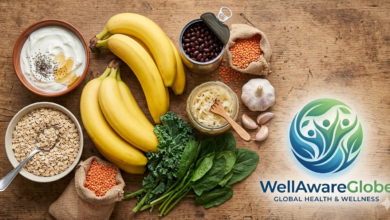
- Dried legumes such as lentils, black beans, and chickpeas are high in protein and fiber and cost very little per serving.
- Frozen vegetables are nutritionally equivalent to fresh produce, often cheaper, and produce zero food waste.
- Eggs are one of the most nutrient-dense and affordable protein sources available.
- Oats provide complex carbohydrates and beta-glucan fiber at a very low cost per serving.
- Seasonal produce is fresher, more flavorful, and significantly cheaper than out-of-season imports.
- Canned fish like tuna and sardines are rich in omega-3 fatty acids and extremely affordable.
Shopping with a weekly meal plan and buying staples in bulk further reduces food costs while minimizing the daily decision fatigue of figuring out what to eat.
Healthy Eating Tips by Health Goal
For Weight Management
Focus on energy density, which means choosing foods that are high in volume and fiber but lower in calories, such as vegetables, fruits, legumes, and whole grains. These foods promote fullness without excessive caloric intake. Also avoid liquid calories from sugary drinks and juices, as they do not trigger the same satiety signals that solid food does.
For Energy and Productivity
Stabilize blood sugar by combining protein, fiber, and healthy fat at every meal. Avoid meals made purely of refined carbohydrates, which cause the familiar mid-afternoon energy crash. Stay properly hydrated throughout the day, since even mild dehydration has been shown to impair cognitive performance by up to 15 percent.
For Gut Health
Support your gut microbiome by consuming a diverse range of plant foods. Nutrition researchers often recommend aiming for 30 or more different plant varieties per week. Fermented foods like yogurt, kefir, kimchi, and sauerkraut also contribute beneficial bacteria to the gut. Getting 25 to 38 grams of dietary fiber per day as recommended for adults supports regular digestion and a healthy intestinal environment.
For Heart Health
Follow a Mediterranean diet pattern, which is widely considered the gold standard for cardiovascular health by the American College of Cardiology. This pattern emphasizes olive oil, fish, legumes, vegetables, nuts, and whole grains. It also naturally reduces red meat, processed meats, and sodium intake, all of which are linked to higher cardiovascular risk when consumed in excess.
Frequently Asked Questions About Healthy Eating for Beginners
How do I start eating healthy as a complete beginner?
Start with one change at a time. Add one serving of vegetables to your lunch. Replace one sugary drink per day with water. Cook one home-cooked meal per week. Small and consistent habits compound over time into significant dietary transformation. The biggest mistake is trying to change everything at once.
What foods should I eat every day for good health?
Foods worth including daily are leafy green vegetables like spinach, kale, and broccoli, a variety of colorful fruits, a quality protein source such as eggs, legumes, fish, or poultry, whole grains including oats, brown rice, and quinoa, and healthy fats from sources like olive oil, avocado, and nuts. Drinking adequate water consistently throughout the day is equally important.
Is it expensive to eat healthy?
Not necessarily. Staples like oats, eggs, lentils, canned beans, frozen vegetables, and seasonal produce are among the most affordable foods at any grocery store. Strategic meal planning and bulk buying further reduce costs. Healthy eating tends to feel expensive mainly when people rely on specialty health products, organic premiums, or pre-packaged health foods rather than cooking simple whole foods at home.
How many calories should a beginner eat per day?
Caloric needs vary by age, sex, height, weight, and activity level. A general baseline is around 2,000 calories per day for average adult women and 2,500 calories per day for average adult men, as referenced by most established dietary guidelines. Using a validated tool like the NIH Body Weight Planner gives you a more personalized estimate. Avoid severely restricting calories without medical supervision, as this can cause more harm than good.
What is the best diet for beginners?
Rather than a named diet plan, nutrition experts broadly recommend a whole-food, plant-forward dietary pattern. This is one that emphasizes vegetables, fruits, legumes, whole grains, and lean proteins while limiting ultra-processed foods, added sugars, and excessive sodium. The Mediterranean diet and the DASH diet are the two most evidence-supported dietary frameworks for long-term health, and both are beginner-friendly in their approach.
How long does it take to see results from eating healthy?
Early improvements in energy levels, mood, and digestion can often occur within one to two weeks of consistent dietary changes. Measurable metabolic improvements like better blood sugar, cholesterol, and blood pressure typically show up within four to eight weeks. Sustainable weight management results are best assessed over three to six months. The long-term benefit of reduced disease risk is something that accumulates over years of consistent healthy eating.
What should I drink to stay healthy?
Water is the best beverage for overall health and should be your primary drink throughout the day. Other beneficial options include unsweetened herbal teas, black coffee in moderation, and plain sparkling water. Try to minimize or avoid sugary sodas, energy drinks, sweetened fruit juices, and excessive alcohol. Green tea is a well-researched beverage with antioxidant and metabolic benefits worth including if you enjoy it.
Further Reading
- World Health Organization: Healthy Diet Fact Sheet
- Harvard T.H. Chan School of Public Health: The Nutrition Source
- National Institutes of Health: Dietary Supplements Office
- American Heart Association: Healthy Eating Guidelines
- Dietary Guidelines for Americans (USDA and HHS)
- Mayo Clinic: Nutrition and Healthy Eating
Your First Step Toward a Healthier Diet Starts Today
Healthy eating is not a destination. It is a practice that evolves with your life, your body, and your goals. The ten strategies covered in this guide are not rigid rules you must follow perfectly. They are practical tools you can use flexibly, apply gradually, and build on over time.
The most important thing any beginner can do is simply start. Not with a perfect meal plan next Monday. Not after finishing the last of the junk food in your pantry. You can start today with one better choice, one more vegetable on your plate, or one less sugary drink.
Over weeks and months, those small choices add up into a fundamentally different and much healthier relationship with the food you eat every day. That is what lasting nutrition change actually looks like. It is not dramatic. It is steady, it is consistent, and it works.
Please consult a registered dietitian or your primary care physician before making significant dietary changes, especially if you have an existing health condition, a known food allergy, or are managing a chronic disease.