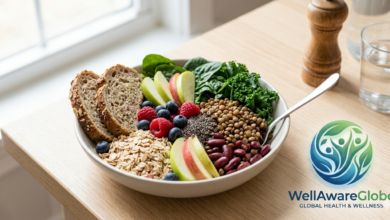
Discover the best affordable gut-healthy foods to eat every day and improve digestion without overspending. Includes practical meal ideas, science-backed food choices, and budget shopping tips for a healthier gut.
If you have ever finished a meal and felt immediately bloated, sluggish, or just off, your gut is probably trying to tell you something. The frustrating part is that most people assume eating for gut health means spending more money on supplements, specialty items, or trendy health store products. That assumption is wrong.
RECOMMENDED POST: How to Start Eating Healthy: A Complete Beginner’s Guide to Clean Eating
Your gut is home to roughly 38 trillion microorganisms. That community, called the microbiome, manages digestion, influences immunity, communicates with your brain, and helps regulate mood. When it is out of balance, you feel it. When it is working well, you feel that too. And the foods that support it best are not expensive or hard to find.
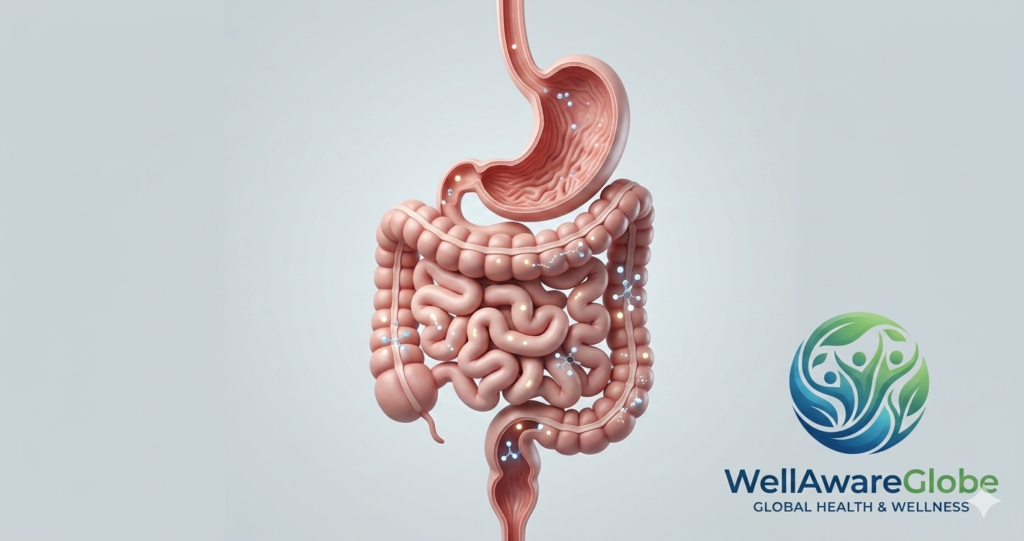
This article covers the best affordable gut-healthy foods to eat every day, why each one works, and exactly how to add them to regular meals without turning your routine upside down. You will also get practical budget shopping tips, a sample meal structure, answers to common questions, and context on what the current research actually says.
What Gut Health Really Means
Gut health refers to the function and diversity of the microbial community living in your digestive tract. A balanced microbiome helps break down food efficiently, produces certain vitamins like B12 and K2, regulates inflammation, and protects the gut lining.
When the balance shifts toward harmful bacteria, you may experience bloating, constipation, diarrhoea, fatigue, brain fog, or recurring infections. Chronic imbalance has also been linked in research to conditions like irritable bowel syndrome (IBS), inflammatory bowel disease (IBD), and metabolic disorders.
The microbiome responds relatively quickly to changes in diet. Studies published in journals like Nature and Cell Host and Microbe show that dietary shifts can alter microbial composition within 24 to 72 hours. That means your food choices today start working sooner than most people expect.
Three Key Concepts to Know
Probiotics are live bacteria found in fermented foods. They add beneficial microbes directly to the gut.
Prebiotics are specific types of fiber that feed and sustain the good bacteria already in your gut.
Postbiotics are the byproducts that gut bacteria produce when they ferment fiber, including short-chain fatty acids like butyrate, which feed the cells lining your colon.
You need all three working together. Eating a probiotic food like yogurt without any fiber to support those bacteria is like hiring staff and never giving them any resources. The fiber is what keeps them alive and productive.
Why Affordable Gut-Healthy Foods Work Just as Well
The gut health supplement industry is projected to reach over $10 billion globally by 2027. Much of that market runs on the idea that you need a product with 50 billion CFUs or a probiotic strain with a clinical-sounding name. In reality, the research consistently shows that dietary diversity, particularly from whole plant foods and fermented products, does more sustained good than most capsules.
A 2021 Stanford University study published in Cell found that a high-fiber diet and a fermented-food diet both improved microbiome diversity. Fermented foods, specifically, reduced inflammatory markers in the body. The foods used in that study were not exotic. They included yogurt, kefir, kimchi, and fermented vegetable drinks.
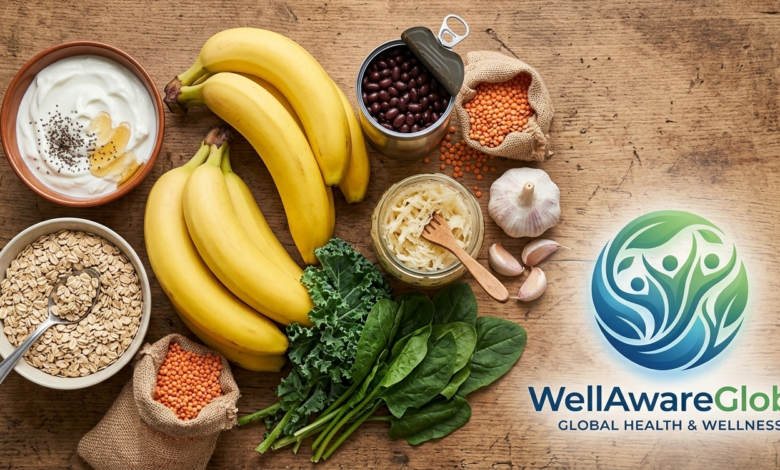
Budget-friendly foods like oats, canned beans, garlic, bananas, and plain yogurt provide prebiotic fiber and probiotic cultures that perform comparably to many expensive specialty products when eaten consistently.
The Best Affordable Gut-Healthy Foods to Eat Every Day
1. Plain Yogurt with Live Cultures
Plain yogurt is one of the most accessible probiotic foods available. A 150g serving typically contains Lactobacillus and Bifidobacterium strains, which have been studied for their role in reducing bloating and supporting immune function.
The key is to buy plain, unsweetened yogurt with “live and active cultures” on the label. Flavoured versions often contain enough sugar to counteract the benefit. Full-fat versions tend to be more satiating and may support the gut lining better due to the short-chain fatty acid content in dairy fat.
Cost estimate: Around $0.50 to $1.00 per 150g serving depending on brand and location.
How to use it: Stir it into overnight oats, use it as a base for salad dressing, spoon it alongside curries instead of heavy cream, or eat it with sliced banana for a quick breakfast.
2. Oats
Oats contain beta-glucan, a soluble prebiotic fiber that feeds bacteria like Lactobacillus and Bifidobacterium. Beta-glucan has one of the strongest evidence bases of any dietary fiber for gut health and also helps lower LDL cholesterol.
Rolled oats and steel-cut oats both work well. Avoid instant oat packets with flavourings and added sugar. A 40g serving of plain oats costs pennies and delivers around 3 to 4 grams of beta-glucan fiber.
How to use them: Overnight oats, stovetop porridge, added to smoothies for thickness, used as a binding agent in bean patties, or stirred into soup for texture.
3. Beans, Lentils, and Chickpeas
Legumes are the most underrated gut food in most diets. A single cup of cooked lentils provides around 15 grams of fiber, a mix of soluble and insoluble types that feed a wide range of gut bacteria and support regular bowel movements.
Canned versions are perfectly fine. Rinse them before using to reduce sodium by up to 40 percent. Dried versions cost even less and yield more. If you currently eat few legumes and start adding them quickly, you may notice temporary gas as your gut bacteria adapt. That is normal. Start with half a cup daily and build up.
Practical options: Black beans in rice dishes, lentil soup with garlic and onion, chickpeas roasted as a snack, red lentil dahl, or white beans mashed into toast as a protein-rich spread.
4. Garlic and Onions
Garlic and onions are among the richest sources of inulin and fructooligosaccharides (FOS), two prebiotic fibers that specifically promote the growth of Bifidobacterium in the gut. They also contain polyphenols with anti-inflammatory properties.
Raw garlic delivers more prebiotic benefit than cooked, but both forms still help. Even a small clove of garlic or a quarter of an onion in a meal contributes meaningful prebiotic fiber. These are among the cheapest vegetables in any grocery store worldwide.
How to use them: Sauteed as a base for almost any cooked meal, raw in salad dressings, minced into bean dips, or lightly cooked in soups and stews.
5. Bananas
Slightly underripe bananas are a reliable source of resistant starch, a form of prebiotic fiber that escapes digestion in the small intestine and reaches the colon intact, where gut bacteria ferment it into butyrate. Butyrate is a short-chain fatty acid that directly fuels the cells lining your colon and helps reduce inflammation.
As bananas ripen, resistant starch converts to simple sugars. Both ripe and underripe bananas provide benefit, but for maximum prebiotic effect, choose bananas that are still slightly green.
Cost: Bananas are consistently among the cheapest fruits available globally, typically under $0.25 each.
6. Sauerkraut and Kimchi
Fermented cabbage is one of the oldest probiotic foods in existence. Both sauerkraut and kimchi are made by lacto-fermentation, a process where natural bacteria on the cabbage convert sugars into lactic acid, creating an environment where beneficial bacteria thrive.
Store-bought versions work, but only if they are in the refrigerated section and unpasteurised. Pasteurised sauerkraut in shelf-stable jars has been heat-treated, which kills the live cultures. The refrigerated version retains them.
Homemade sauerkraut costs almost nothing. One medium cabbage and two teaspoons of salt is all you need. It ferments at room temperature within 5 to 7 days and lasts months in the fridge.
How to use it: Add two tablespoons to a sandwich or wrap, serve alongside eggs, stir into rice bowls, or eat directly as a side dish.
7. Brown Rice and Whole Grains
Swapping white rice for brown rice adds resistant starch and fiber that white rice lacks due to processing. Brown rice, whole wheat bread, barley, and wholemeal pasta all contain more fiber than their refined counterparts, which helps support microbial diversity and steadier digestion.
Barley is worth highlighting specifically. It contains beta-glucan similar to oats and is one of the cheapest whole grains available. A 100g serving of cooked barley costs a fraction of most health products and delivers meaningful prebiotic benefit.
8. Leafy Greens
Spinach, kale, cabbage, and Swiss chard contain a specific sugar molecule called sulfoquinovose, which research suggests feeds a beneficial type of bacteria called Bacteroides thetaiotaomicron. This microbe plays a role in protecting the gut lining.
Frozen spinach and frozen kale are nutritionally comparable to fresh and often cost significantly less. A bag of frozen spinach typically costs under $2 and provides multiple servings.
9. Kefir
Kefir is a fermented milk drink that typically contains 10 to 34 different bacterial strains, making it one of the most diverse probiotic foods available. Research on kefir specifically shows benefits for people with lactose intolerance, since the fermentation process partially breaks down lactose.
Plain kefir is affordable at most supermarkets. If cost is a concern, you can make it at home using kefir grains and any milk, including plant-based options like coconut milk.
10. Apples
Apples contain pectin, a soluble fiber that acts as a prebiotic and has been shown to increase the relative abundance of Lactobacillus and Bifidobacterium in the gut. Pectin also forms a gel-like substance in the digestive tract that slows digestion and helps regulate blood sugar.
Eat apples with the skin on. Most of the pectin and polyphenols are concentrated in and just beneath the skin. A medium apple costs less than $0.50 in most markets.
Practical Daily Meal Ideas Using Affordable Gut-Healthy Foods
You do not need to overhaul your entire diet. Adding two or three of these foods daily, consistently, will move the needle. Here is a straightforward structure:
RECOMMENDED POST: Wellness Through Food: How What You Eat Shapes Every Part of Your Life
Breakfast
- Overnight oats made with rolled oats, plain yogurt, a slightly underripe banana, and a teaspoon of ground flaxseed. This gives you prebiotic fiber, live cultures, resistant starch, and omega-3s before 9am.
- Scrambled eggs with a side of sauerkraut and whole grain toast. Simple, filling, and covers both probiotic and fiber bases.
Lunch
- Lentil soup with garlic, onion, carrot, and cumin. A large pot costs under $3 to make and provides five or six servings of prebiotic-rich food.
- Brown rice bowl with canned black beans, sauteed onion and garlic, and a tablespoon of plain yogurt on top instead of sour cream.
Dinner
- Stir-fried frozen vegetables with tofu or chicken over brown rice. Add two tablespoons of kimchi on the side.
- Chickpea and spinach curry cooked in a garlic and onion base, served over barley instead of white rice.
Snacks
- Apple slices with peanut butter.
- Plain kefir drunk straight as a filling drink between meals.
- A small bowl of plain yogurt with a handful of berries if in season or frozen.
Budget Shopping Strategies That Actually Work
Eating well on a tight budget is absolutely possible when you know where to focus.
- Buy dried legumes instead of canned when you can plan ahead. A 500g bag of dried lentils costs less than $2 and yields far more than an equivalent weight in canned.
- Shop the frozen vegetable aisle without guilt. Frozen spinach, peas, and mixed vegetables are flash-frozen at peak ripeness, which preserves most nutrients. They cost less and have no waste.
- Buy oats in large containers. A 1kg bag of rolled oats is one of the most cost-efficient grocery purchases for gut health.
- Make your own sauerkraut. One cabbage plus salt equals weeks of probiotic food at almost zero cost.
- Choose plain yogurt over flavoured. Plain is usually cheaper, healthier, and more versatile.
- Buy garlic and onions in bulk bags. They store well and cost very little per serving.
Common Mistakes That Slow Progress
Adding too much fiber too fast. If your current diet is low in fiber and you add a lot of beans and oats suddenly, expect bloating and gas for a week or two. Your gut bacteria need time to adapt. Increase fiber gradually over two to four weeks.
Buying the wrong fermented products. Most yogurt sold in supermarkets contains live cultures. However, pasteurised sauerkraut in a shelf-stable jar does not. Read labels carefully.
Expecting results without consistency. Eating yogurt once a week will not do much. The research on microbiome change requires daily, repeated exposure to the beneficial strains.
Ignoring hydration. Fiber without adequate water can make constipation worse rather than better. Aim for at least 2 litres of water daily when increasing fiber intake.
Assuming supplements replace food. Probiotic capsules may help in specific circumstances, but they contain fewer strains than fermented foods and lack the fiber and nutrient matrix that makes food-based probiotics more effective.
Real Examples of Dietary Changes That Worked
A community nutrition program in Chicago documented outcomes from participants who shifted to a bean and whole grain focused diet over 12 weeks. On average, participants reported improved bowel regularity within two weeks, reduced bloating by week four, and better energy levels by week eight. The dietary cost per person per day dropped compared to their previous eating habits because legumes and oats replaced higher-cost processed snacks and meat-heavy meals.
On a personal scale, a teacher named James described cutting out most processed foods and replacing his lunches with lentil-based meals and adding plain yogurt to his morning routine. Within three weeks he noticed his afternoon energy slumps decreased noticeably. He attributed much of the change to more stable digestion rather than hunger spikes and crashes.
These outcomes are not guaranteed or universal, but they align with what the research predicts. Consistent changes with whole, fiber-rich, and fermented foods tend to produce measurable improvements in gut function within weeks.
Quick Reference: What These Foods Do for Your Gut
| Food | Gut Benefit | Type |
| Plain yogurt | Adds Lactobacillus and Bifidobacterium strains | Probiotic |
| Oats | Feeds good bacteria via beta-glucan fiber | Prebiotic |
| Lentils and beans | High fiber; supports microbial diversity | Prebiotic + Fiber |
| Garlic and onions | Rich in inulin and FOS; promotes Bifidobacterium | Prebiotic |
| Bananas (underripe) | Resistant starch; produces butyrate | Prebiotic |
| Sauerkraut and kimchi | Live lacto-fermented cultures | Probiotic |
| Brown rice and barley | Resistant starch and soluble fiber | Prebiotic + Fiber |
| Kefir | High diversity of live bacterial strains | Probiotic |
| Apples | Pectin feeds Lactobacillus; polyphenols reduce inflammation | Prebiotic |
| Leafy greens | Feed Bacteroides; sulfoquinovose supports gut lining | Prebiotic |
Frequently Asked Questions
What are the best affordable gut-healthy foods to eat every day for beginners?
Start with plain yogurt, oats, bananas, canned lentils, garlic, and onions. These five cover probiotics, multiple types of prebiotic fiber, and resistant starch, and they all cost very little. You do not need to add everything at once. Start with two or three and build from there.
How long does it take to notice improvements in gut health from diet changes?
Many people notice changes in digestion regularity within one to two weeks. Bloating reduction can take two to four weeks depending on how much fiber you are adding and how fast you increase it. Broader microbiome shifts, as measured in research studies, can show meaningful change within 72 hours, but stabilisation at a new baseline typically takes six to eight weeks of consistent eating.
Can I eat these foods if I have IBS or a sensitive gut?
Some people with IBS are sensitive to high-FODMAP foods, which include garlic, onions, and beans. If that applies to you, start with low-FODMAP options like plain yogurt, firm bananas, oats, and small portions of canned lentils that have been rinsed thoroughly. Work with a registered dietitian for a structured low-FODMAP approach before reintroducing higher-FODMAP items.
Are probiotic supplements better than probiotic foods?
Generally no. Most whole fermented foods contain multiple strains alongside nutrients, fiber, and other compounds that capsules lack. Supplements can be useful in specific clinical scenarios, like restoring gut bacteria after antibiotic use, but for everyday gut maintenance, food-based probiotics are more effective and significantly cheaper.
Do I need to eat fermented foods every day?
Daily consumption produces better results than occasional use, based on the research. Even one small serving per day, such as two tablespoons of sauerkraut or a 150g portion of plain yogurt, provides meaningful benefit over time. Consistency matters more than quantity.
What foods should I reduce to support gut health?
Ultra-processed foods, excessive added sugar, and highly refined grains all reduce microbial diversity in research studies. Frequent alcohol consumption also disrupts the gut lining. You do not need to eliminate these entirely, but reducing them while increasing whole food intake produces better outcomes than adding gut-healthy foods alone.
Is it true that affordable foods are less nutritious than expensive health products?
No. Dried lentils, plain oats, garlic, canned beans, and frozen spinach consistently outperform expensive health products in terms of fiber content, prebiotic compounds, and nutritional density per dollar spent. Price is not a reliable indicator of gut health value.
Final Thoughts
The best affordable gut-healthy foods to eat every day are not a secret or a trend. They are the basics that have sustained human digestive health for centuries. Yogurt, oats, beans, garlic, onions, fermented vegetables, and whole grains do not cost much. They do not require a nutrition degree to prepare. And when you eat them consistently, they work.
Start with what you already eat and make small substitutions. Swap white rice for brown once a week. Add a spoonful of sauerkraut to lunch three times a week. Replace a processed snack with an apple. Those small changes compound over weeks and months into a meaningfully different gut environment.
Your gut does not need perfection. It needs consistency. Pick two foods from this list this week, add them to your regular meals, and stay with it. That is genuinely the most effective approach the research supports.
Trusted Resources for Further Reading
- Harvard T.H. Chan School of Public Health: The Nutrition Source (hsph.harvard.edu/nutritionsource)
- National Health Service (NHS) UK: digestive health and gut microbiome guides (nhs.uk)
- Sonnenburg et al. (2021). Gut-microbiota-targeted diets modulate human immune status. Cell, 184(16), 4137-4153.
- Wastyk et al. (2021). Gut-microbiota-targeted diets modulate human immune status. Cell, 184(16), 4137-4153.
Disclaimer: This content is written for general informational purposes and does not constitute medical advice. The information provided is not intended to diagnose, treat, cure, or prevent any disease. Consult a qualified healthcare professional before making changes to your diet or health routine, particularly if you are managing a medical condition. Affiliate links or product mentions, if any, do not influence editorial content.