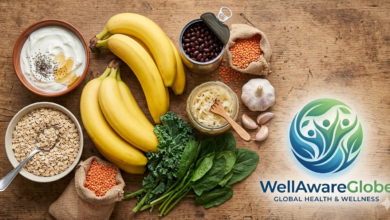
7 Signs Your Body May Need More Fiber in Your Diet and simple food changes that may support digestion, fullness, gut health, and daily wellness.
Medical Disclaimer
This article is for educational and general wellness information only. It is not medical advice, diagnosis, or treatment. Fiber needs can vary based on age, health status, medications, pregnancy, digestive conditions, and personal tolerance. Anyone with ongoing constipation, severe abdominal pain, unexplained weight loss, blood in the stool, chronic diarrhea, swallowing problems, inflammatory bowel disease, or a history of bowel obstruction should speak with a qualified healthcare professional before making major diet changes or using fiber supplements.
Introduction
Have you ever eaten a full meal, only to feel hungry again an hour later? Or maybe your digestion feels slow, your energy dips after meals, and your bathroom routine is not as comfortable or predictable as it used to be. These small changes are easy to ignore, but they may be gentle signals from your body that your daily meals need more fiber.
In this guide, you will learn the 7 Signs Your Body May Need More Fiber in Your Diet, why fiber matters, how it supports digestion and fullness, and what practical food swaps can help you increase fiber safely. The goal is not to scare you or push extreme diet rules. The goal is to help you understand your body, build better meals, and make realistic changes that fit everyday life.
Fiber is found naturally in plant foods like fruits, vegetables, beans, lentils, oats, seeds, nuts, and whole grains. It is not a magic cure, but it is one of the most overlooked parts of a balanced diet. Many people focus on calories, protein, or weight loss, while fiber quietly affects digestion, appetite, gut bacteria, cholesterol support, and blood sugar balance. When fiber is too low, the body may begin to show signs that meals are missing something important.
RECOMMENDED POST: How to Start Eating Healthy: A Complete Beginner’s Guide to Clean Eating
What Is Fiber and Why Does Your Body Need It?
Dietary fiber is a type of carbohydrate found in plant foods that your body cannot fully digest. Instead of being broken down like sugar or starch, fiber moves through the digestive system and helps support regular bowel movements, fullness, and overall gut function. This is one reason high fiber foods are often linked with healthier eating patterns.
There are two main types of fiber: soluble fiber and insoluble fiber. Soluble fiber dissolves in water and forms a gel-like texture in the digestive tract. It is found in foods such as oats, beans, lentils, apples, citrus fruits, chia seeds, and some vegetables. This type of fiber can help slow digestion, which may support steadier energy and longer-lasting fullness.
Insoluble fiber does not dissolve in water. It adds bulk to stool and helps food move through the digestive system more efficiently. It is found in foods like whole wheat, brown rice, leafy greens, carrots, nuts, seeds, and the skins of many fruits and vegetables. Both types are helpful, and most fiber-rich foods contain a mix of the two.
Health organizations often recommend that adults get around 25 to 30 grams or more of fiber daily from food, though exact needs can vary. Many people fall short because modern meals often rely on refined grains, processed snacks, low-fiber breakfast foods, and fast meals that do not include enough legumes, vegetables, fruits, or whole grains.
The practical lesson is simple: you do not need a complicated diet to improve fiber intake. You need consistent, small upgrades. A bowl of oats instead of refined cereal, beans added to rice, fruit with the skin, vegetables with lunch and dinner, and a handful of nuts or seeds can make a real difference over time.
Actionable takeaway: aim to include at least one fiber-rich plant food at every meal. This could be beans at lunch, vegetables at dinner, oats at breakfast, or fruit as a snack.
Quick Fiber Food Examples
| Food group | Examples | Easy use idea |
| Legumes | Beans, lentils, chickpeas | Add to rice, soups, stews, salads, or wraps |
| Whole grains | Oats, brown rice, whole wheat bread | Use as breakfast base or swap for refined grains |
| Fruits | Apples, berries, oranges, pears | Eat whole fruits instead of drinking juice |
| Vegetables | Carrots, spinach, broccoli, okra | Add half a plate of vegetables to meals |
| Seeds and nuts | Chia, flaxseed, almonds, groundnuts | Sprinkle into oats, yogurt, smoothies, or pap |
7 Signs Your Body May Need More Fiber in Your Diet
The signs below do not automatically mean you have a fiber problem. They can also happen because of hydration, stress, medication, sleep changes, medical conditions, or overall diet quality. Still, if several of these signs sound familiar, it may be worth looking at your daily fiber intake and making gradual food-based improvements.
1. Your Bowel Movements Are Infrequent or Hard to Pass
One of the most common fiber deficiency symptoms is constipation or difficulty passing stool. Fiber helps add bulk and softness to stool, especially when paired with enough water. When meals are low in fiber, stool may become harder, drier, or slower to move through the bowel.
This does not mean every person must go to the bathroom the same number of times each day. Normal bowel patterns vary. The concern is when your usual pattern changes, you regularly strain, or bowel movements feel incomplete and uncomfortable.
A low-fiber pattern often looks like this: white bread at breakfast, refined rice or pasta at lunch, little vegetables at dinner, and snacks made mostly from flour, sugar, or oil. These meals may fill the stomach for a while, but they may not provide enough bulk for smooth digestion.
To support regularity, start with simple changes. Add beans or lentils to one meal daily. Choose oats or whole-grain cereal in the morning. Eat fruits like apples or pears with the skin when appropriate. Add cooked vegetables to stews, soups, rice, or pasta dishes. These are realistic upgrades that fit many food cultures.
Call-to-action: for the next three days, write down how many plant foods you eat each day. If the list is short, add one extra fruit, one extra vegetable serving, or one small portion of beans.
2. You Feel Hungry Soon After Eating
Another sign your body may need more fiber is frequent hunger soon after meals. Fiber slows digestion and adds volume to meals, which can help you feel satisfied for longer. A meal may be high in calories but still low in fiber, especially if it is built around refined grains, sugary drinks, pastries, fried snacks, or highly processed foods.
For example, a breakfast of sweet tea and white bread may give quick energy but may not keep you full. A breakfast with oats, fruit, ground flaxseed, or beans can feel more satisfying because it contains fiber, water, and slowly digested carbohydrates.
This is where a fiber-rich diet for digestion also becomes useful for appetite balance. Fiber does not remove the need for protein or healthy fats, but it works well with them. A balanced plate with beans, vegetables, whole grains, and protein is usually more filling than a low-fiber meal of refined starch alone.
Try building meals around the fullness formula: fiber plus protein plus water-rich foods. Examples include beans and rice with vegetables, oats with banana and nuts, whole-grain bread with eggs and sliced tomatoes, or lentil soup with a side of fruit.
Actionable takeaway: when you feel hungry soon after eating, do not only ask, “Did I eat enough?” Also ask, “Did this meal contain enough fiber?”
3. Your Energy Crashes After Low-Fiber Meals
Low-fiber meals can digest quickly, especially when they are high in refined carbohydrates and low in protein, fat, and vegetables. Some people notice that after eating such meals, they feel a quick rise in energy followed by tiredness, sleepiness, or cravings. Fiber may help slow digestion and support steadier energy after meals.
This does not mean fiber alone controls blood sugar or energy. Sleep, stress, hydration, medical conditions, and meal size also matter. However, adding fiber-rich foods can make many meals feel more balanced and less likely to leave you searching for another snack soon after eating.
A practical example is replacing fruit juice with whole fruit. Juice may contain vitamins, but it usually lacks the natural fiber found in the whole fruit. Eating an orange instead of drinking orange juice gives you fiber, chewing time, and more fullness.
Another example is upgrading white rice with beans, vegetables, or a side salad. You do not always have to remove familiar foods. You can improve the meal by adding fiber-rich foods around it.
Image suggestion: a side-by-side meal photo showing plain refined carbs on one side and a balanced high fiber plate with beans, vegetables, and whole grains on the other side.
Actionable takeaway: choose one meal you eat often and add one fiber upgrade to it this week.
4. You Rarely Eat Fruits, Vegetables, Beans, or Whole Grains
Sometimes the clearest sign is not a symptom, but a pattern. If your usual meals contain very few fruits, vegetables, beans, lentils, nuts, seeds, or whole grains, your fiber intake may be low. Fiber does not come from meat, fish, eggs, poultry, oils, or most dairy foods. It mainly comes from plant foods.
A person can eat large portions and still miss fiber if meals are based mostly on refined grains and animal foods without enough plant variety. This is why two people can eat the same number of calories but feel very different in digestion and fullness.
The solution is not to become perfect overnight. Start with the foods you already like. If you enjoy rice, add beans or peas. If you enjoy stew, add vegetables. If you enjoy breakfast cereal, choose oats or a higher-fiber option. If you enjoy snacks, choose fruit, roasted chickpeas, popcorn without excess butter, or nuts in a moderate portion.
A helpful voice search answer for readers is: “How do I know if I need more fiber?” One simple answer is this: if most of your meals are missing whole plant foods, your body may not be getting enough fiber to support healthy digestion and fullness.
Actionable takeaway: build a fiber checklist for each day: one fruit, two vegetable servings, one whole grain, and one legume or seed. Adjust portions based on your needs and tolerance.
5. You Often Feel Bloated After Suddenly Eating “Healthy” Foods
This sign may sound surprising. Bloating does not always mean fiber is bad for you. Sometimes bloating happens because a person increases fiber too quickly. Your gut needs time to adjust, especially if your previous diet was low in beans, vegetables, oats, or whole grains.
When fiber reaches the large intestine, gut bacteria ferment some of it. This can produce gas, which may feel uncomfortable if the increase is sudden. That is why many nutrition experts recommend increasing fiber gradually and drinking enough water.
The mistake is going from almost no fiber to large bowls of beans, raw vegetables, chia seeds, and bran in one day. A better approach is to add small portions consistently. For example, add one tablespoon of chia to oats, half a cup of beans to lunch, or one extra serving of vegetables at dinner.
Cooking can also make some fiber-rich foods easier to tolerate. Cooked carrots, spinach, pumpkin leaves, okra, and soups may feel gentler than large raw salads for some people. Soaking beans, rinsing canned beans, and starting with smaller portions may also help.
Call-to-action: if fiber makes you bloated, do not quit immediately. Reduce the portion, increase slowly, and observe which foods your body tolerates best. Speak with a clinician if bloating is severe, persistent, painful, or linked with other symptoms.
6. Your Meals Do Not Keep Your Digestion Regular During Busy Weeks
Busy weeks often reveal diet gaps. When people are rushing, they may rely on quick foods that are low in fiber: pastries, noodles, white bread, sweet drinks, fast food, and refined snacks. After several days, digestion may feel slower, appetite may increase, and energy may feel less stable.
Fiber works best as a daily habit, not a one-time correction. One high-fiber meal after several low-fiber days may help, but consistency matters more. Your digestive system benefits from regular intake of plant foods, water, and movement.
This is where meal planning becomes powerful. You do not need expensive meals. Beans, lentils, oats, local vegetables, fruits in season, whole grains, groundnuts, and seeds can be affordable and effective. The key is keeping them visible and easy to use.
Prepare a simple fiber backup plan. Cook beans ahead and freeze portions. Keep oats at home. Buy fruit you can carry. Add vegetables to soups and stews. Choose whole-grain options when available. Keep nuts or seeds for quick snacks, using moderate portions.
Actionable takeaway: create a “busy day fiber plan” with three easy options you can repeat when life gets hectic.
7. Your Doctor Has Mentioned Cholesterol, Blood Sugar, or Weight Concerns
Fiber is not a cure for cholesterol, blood sugar, or weight problems, and it should not replace medical care. However, fiber-rich eating patterns may support heart health, blood sugar balance, and healthy weight management as part of an overall lifestyle plan.
Soluble fiber in foods like oats, beans, lentils, apples, citrus fruits, and chia seeds has been linked with cholesterol support. Fiber-rich meals can also help with fullness, making it easier for some people to reduce constant snacking or oversized portions.
If a healthcare professional has told you to improve your diet, fiber is often one of the safest areas to review. The best approach is usually food first: vegetables, legumes, whole grains, fruits, nuts, and seeds. Supplements may help some people, but they should be used carefully, especially if you take medications or have digestive conditions.
It is also important to avoid overclaiming. Fiber can support better health, but it does not guarantee weight loss, cure diabetes, or replace prescribed treatment. A trustworthy wellness article should educate readers without making promises that are not medically responsible.
Call-to-action: if you have been advised to manage cholesterol, blood sugar, or weight, ask a qualified professional how much fiber is appropriate for you and which foods fit your health plan.
RECOMMENDED POST: Type 2 Diabetes: 7 Early Warning Signs, Causes, and Proven Natural Ways to Control Blood Sugar
Best High Fiber Foods to Add to Your Diet
Once you recognize the signs, the next step is practical: what should you eat more often? The best high fiber foods are usually simple, affordable, and familiar. You do not need expensive specialty products to improve fiber intake. You need more whole plant foods in realistic portions.
Beans and lentils are among the most useful fiber foods because they provide fiber, plant protein, minerals, and lasting fullness. They can be added to rice, soups, stews, salads, wraps, and sauces. If beans cause gas, start small, cook them well, soak dry beans before cooking, and increase gradually.
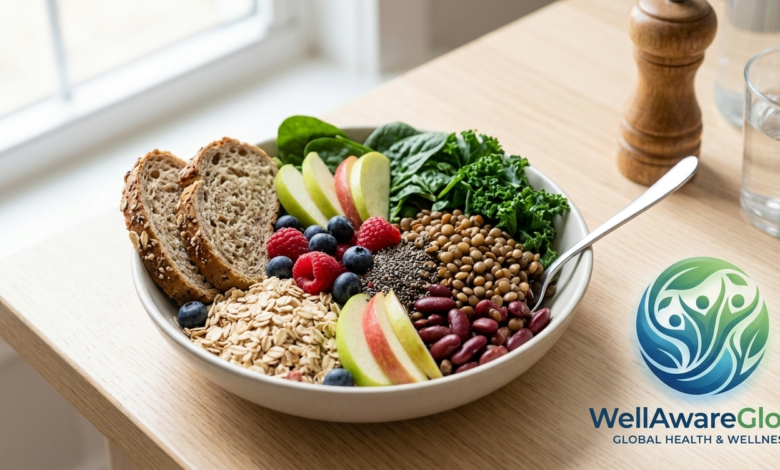
Oats are another easy option. They can be used for breakfast with fruit, nuts, seeds, or yogurt. Oats contain soluble fiber and are a useful swap for low-fiber refined cereals. For a more filling bowl, add sliced banana, berries, apple, chia seeds, or ground flaxseed.
Fruits are helpful, especially when eaten whole. Apples, pears, oranges, bananas, berries, mangoes, and guava can add fiber and water to the diet. When possible and safe, eating edible skins can increase fiber. Whole fruits are usually more filling than juice because they keep the natural fiber structure.
Vegetables should appear in daily meals, not only during “dieting.” Leafy greens, carrots, broccoli, cabbage, okra, garden egg, pumpkin leaves, tomatoes, peppers, and other vegetables can fit into local meals. Cooked vegetables are fine. The goal is consistency, not perfection.
Whole grains can also help. Brown rice, oats, whole wheat bread, millet, sorghum, bulgur, quinoa, and whole-grain pasta may provide more fiber than refined grains. If you are not used to whole grains, mix them with familiar grains at first.
Nuts and seeds are small but powerful. Chia seeds, flaxseed, sesame seeds, almonds, walnuts, and groundnuts can add fiber, healthy fats, and texture. Keep portions moderate because nuts and seeds are energy-dense.
Practical weekly idea: choose two fiber foods from each group and rotate them through your meals. This keeps meals interesting and prevents the boredom that makes healthy eating hard to maintain.
RECOMMENDED POST: Best Affordable Gut-Healthy Foods to Eat Every Day
Simple High Fiber Meal Ideas
- Oats with banana, chia seeds, and a small handful of nuts.
- Rice with beans, vegetables, and grilled fish, chicken, tofu, or eggs.
- Lentil soup with whole-grain bread and a side of fruit.
- Whole-grain wrap with beans, vegetables, avocado, and lean protein.
- Boiled sweet potato with vegetable stew and beans.
- Greek yogurt or plain yogurt with berries and ground flaxseed, if dairy suits you.
How to Increase Fiber Intake Without Bloating
Many people try to eat more fiber and then stop because they feel gassy or bloated. The problem is often not fiber itself, but the speed of the change. If your body is used to low-fiber meals, a sudden increase can feel uncomfortable.
The safest general approach is to go slowly. Add one fiber-rich food at a time and give your body several days to adjust. For example, start with fruit at breakfast for a few days, then add beans to lunch, then increase vegetables at dinner.
Water matters too. Fiber works better when you drink enough fluids. If you increase fiber but stay dehydrated, stool may still feel hard or uncomfortable. Your fluid needs depend on weather, activity, body size, health status, and other factors, but drinking water throughout the day is a good habit for most people.
Cooking methods also matter. Some people tolerate cooked vegetables better than raw vegetables. Some tolerate lentils better than certain beans. Some do better with oats than wheat bran. Personal tolerance is real, and a healthy diet should work with your body, not against it.
It may also help to spread fiber across the day instead of taking a large amount at one meal. A little fiber at breakfast, lunch, dinner, and snacks is often easier than one very large fiber-heavy meal.
When using fiber supplements, caution is important. Supplements can help some people, but they are not automatically better than food. They can interact with medication timing, worsen symptoms in some digestive conditions, or cause discomfort if taken incorrectly. Food-based fiber also provides vitamins, minerals, antioxidants, and other plant compounds that supplements may not offer.
Actionable takeaway: use the slow ladder method. Add about one small fiber upgrade at a time, drink water, and observe how your body responds.
Slow Fiber Ladder
- Week 1: add one whole fruit daily.
- Week 2: add one serving of vegetables to lunch or dinner.
- Week 3: add beans, lentils, or peas three times per week.
- Week 4: swap one refined grain for a whole grain several times per week.
- Week 5: add seeds or nuts in small portions if tolerated.
Mistakes to Avoid When Eating More Fiber
Mistake 1: Increasing fiber too quickly
A sudden jump from low fiber to very high fiber can lead to bloating, gas, cramps, or discomfort. Increase gradually and give your gut time to adjust.
Mistake 2: Forgetting water
Fiber and fluids work together. If you add fiber without enough water, digestion may still feel slow or uncomfortable.
Mistake 3: Depending only on supplements
Supplements may be useful for some people, but whole foods provide more than fiber. Fruits, vegetables, legumes, nuts, seeds, and whole grains also provide nutrients that support overall wellness.
Mistake 4: Removing all favorite foods
A healthy fiber-rich diet does not require abandoning every familiar meal. You can add beans to rice, vegetables to soups, fruit to breakfast, or seeds to oats. Addition is often more sustainable than restriction.
Mistake 5: Ignoring warning signs
Constipation, diarrhea, pain, blood in stool, vomiting, unexplained weight loss, or symptoms that do not improve should not be treated only with diet changes. These symptoms deserve medical attention.
Mistake 6: Thinking all fiber foods affect everyone the same way
People tolerate foods differently. Beans may work well for one person, while oats or cooked vegetables may work better for another. The best plan is one you can digest, afford, and repeat.
Real-World Examples: What Low Fiber Can Look Like
Example 1: A busy office worker starts the day with white bread and sweet tea, eats noodles for lunch, and grabs a pastry in the evening. Dinner is usually rice with little vegetables. This person may feel full for short periods, but the meals are mostly refined and may not provide enough fiber. A practical upgrade would be oats with fruit at breakfast, beans or vegetables with lunch, and a fruit snack instead of pastry several days a week.
Example 2: A student eats enough calories but depends heavily on fast food, sugary drinks, and snacks during exam periods. After a week, digestion feels irregular and energy feels unstable. The solution does not have to be complicated. The student can keep bananas, groundnuts, oats, and cooked beans available, then add vegetables to at least one meal daily.
Example 3: A parent wants to improve family meals but worries healthy food is expensive. A helpful approach is to use budget-friendly fiber foods: beans, lentils, oats, cabbage, carrots, seasonal fruits, leafy greens, and whole grains when affordable. Small changes across many meals can be more realistic than a perfect diet plan.
These examples show why fiber advice should be practical. People do not need shame or fear. They need simple food ideas that fit real schedules, budgets, and cultures.
How Much Fiber Do You Really Need Each Day?
There is no single perfect fiber number for every person, but many adult guidelines fall around 25 to 30 grams or more per day from food. Some people may need more or less depending on age, sex, calorie intake, activity level, digestive tolerance, pregnancy, medical history, and professional advice.
A more useful question for everyday readers is: “How can I move closer to a healthy fiber range without stressing over every gram?” For most people, the answer is to increase the number of fiber-rich foods they eat daily. Counting grams can help for a short time, but building repeatable food habits is usually easier.
For example, a day with oats at breakfast, fruit as a snack, beans at lunch, vegetables at dinner, and seeds or nuts in a small portion can naturally raise fiber intake. A day built mainly around refined grains, sweet drinks, and low-vegetable meals will usually be much lower.
It is also important to remember that more is not always better. Very high fiber intake, especially from supplements or sudden changes, can cause gas, bloating, cramps, or changes in bowel habits. The best goal is a steady, comfortable increase that your body tolerates.
Simple daily fiber target without counting every gram
- Add one whole fruit instead of fruit juice.
- Include vegetables at lunch, dinner, or both.
- Eat beans, lentils, peas, or chickpeas several times per week.
- Choose oats or whole grains more often than refined grains.
- Use seeds or nuts in small portions when they fit your diet.
This simple pattern can make the article more useful for voice search because it answers a natural question many readers ask: “What should I eat every day to get more fiber?” A practical answer is to build meals around whole plant foods, increase slowly, and drink enough water.
Trust signal for readers: fiber is helpful, but it is not a replacement for medical care. If symptoms are severe, new, or persistent, a healthcare professional should evaluate them.
Helpful External Backlinks and Trust Sources
These reputable sources can be used as external reference links inside the published article to improve trust, reader value, and content quality:
- Mayo Clinic: Dietary fiber: Essential for a healthy diet
- Mayo Clinic: Chart of high-fiber foods
- Harvard T.H. Chan School of Public Health: Fiber
- Cleveland Clinic: Why is fiber so important?
- Nutrition.gov: Fiber resources
- European Commission knowledge gateway: Dietary fibre recommendations
FAQ: 7 Signs Your Body May Need More Fiber in Your Diet
How do I know if I need more fiber in my diet?
You may need more fiber if you often have hard stools, irregular bowel movements, hunger soon after meals, low intake of fruits and vegetables, or meals that rely mostly on refined grains. These signs are not a diagnosis, but they can help you review your eating pattern.
What is the easiest way to add more fiber every day?
Start with one simple habit. Eat one whole fruit daily, add vegetables to lunch or dinner, include beans or lentils several times per week, and choose oats or whole grains more often. Increase slowly to reduce bloating.
Can too much fiber cause problems?
Yes, especially if you increase it too quickly or do not drink enough fluids. Too much fiber may cause gas, bloating, cramps, or changes in bowel habits. People with digestive conditions or medication concerns should ask a healthcare professional before using fiber supplements or making major changes.
Conclusion
The 7 Signs Your Body May Need More Fiber in Your Diet are often easy to miss because they can look like normal everyday discomfort: slow digestion, hunger after meals, energy dips, low plant food intake, bloating after sudden diet changes, irregular habits during busy weeks, or doctor-advised concerns about cholesterol, blood sugar, or weight.
Fiber is not a cure or a quick fix, but it is a powerful part of a balanced wellness routine. The best approach is simple: add more whole plant foods, increase gradually, drink enough water, and listen to your body. Start with one fiber upgrade today, then build from there.
Clear call-to-action: choose one meal you eat often and improve it with a fiber-rich food this week. Small changes repeated consistently can support better digestion, fullness, and long-term wellness.