How to Reduce Muscle and Joint Pain Fast at Home (7 Proven Tips That Actually Work)

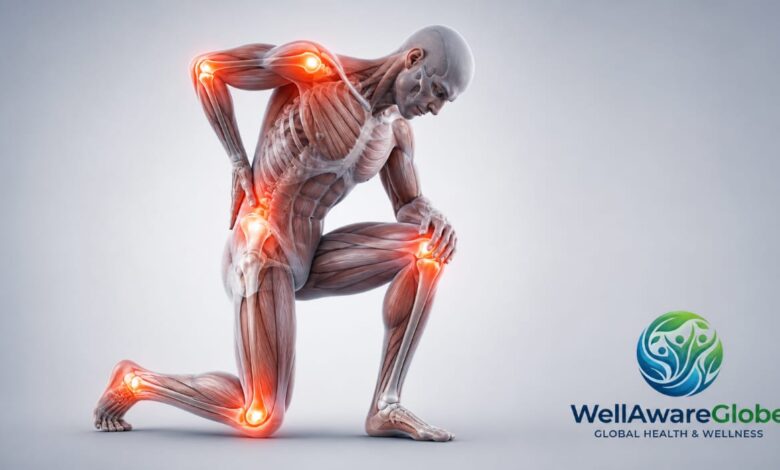
Discover how to reduce muscle and joint pain fast at home with 7 doctor-approved, natural remedies. Safe, effective tips for lasting relief starting today.
Introduction: When Pain Slows You Down
You wake up in the morning, and the moment you try to get out of bed, your knees ache, your shoulders feel stiff, and your lower back is screaming for relief. Sound familiar?
Muscle and joint pain affects millions of people every single day. Whether it is from overexertion at the gym, sitting at a desk for too long, arthritis, or just the natural aging process, the discomfort is real and it affects your quality of life.
RECOMMENDED POST: Best Exercises for Lower Back Pain Relief
The good news is that you do not have to rely on prescription drugs or expensive treatments to start feeling better. In this article, you will learn exactly how to reduce muscle and joint pain fast at home using seven proven, science-backed tips that are simple, affordable, and genuinely effective.
Let us get into it.
What Really Causes Muscle and Joint Pain?
Understanding the root cause of your pain is the first step toward treating it correctly. Muscle and joint pain do not always come from the same source, and knowing the difference helps you choose the right home remedy.
Inflammation is the most common culprit. When your body detects injury, overuse, or a threat (like an autoimmune condition), it triggers an inflammatory response. This leads to swelling, warmth, redness, and pain around the affected area.
Muscle strain or overuse happens when you push your body past its limits. This includes intense workouts, repetitive motions at work, or carrying heavy loads without proper support.
Dehydration and nutrient deficiencies are surprisingly overlooked causes. Your joints need adequate fluid and nutrients like magnesium, calcium, and vitamin D to function smoothly. Without them, cartilage breaks down faster and muscles cramp more easily.
Arthritis (both osteoarthritis and rheumatoid arthritis) is a leading cause of chronic joint pain. Osteoarthritis involves the breakdown of cartilage over time, while rheumatoid arthritis is an autoimmune condition where the body attacks its own joint tissues.
Sedentary lifestyle is another growing issue. Sitting for long hours causes muscles to tighten and weaken, putting extra stress on joints like the hips, knees, and spine.
Other common causes include:
- Poor posture over extended periods
- Viral infections that cause body-wide aching (like the flu)
- Stress and poor sleep, which reduce the body’s ability to repair tissue
- Carrying excess body weight that stresses weight-bearing joints
Knowing what is driving your pain puts you in a better position to treat it effectively at home.
Common Symptoms You Should Never Ignore
Not all muscle and joint discomfort is created equal. Some symptoms are normal after a tough workout or a long day of physical activity. Others signal something more serious.
Symptoms That Are Generally Manageable at Home
- Mild to moderate soreness after exercise (DOMS, or delayed onset muscle soreness)
- Stiffness in the morning that loosens up within 30 minutes
- Achy joints after periods of inactivity
- Mild swelling that goes down within a day or two
Symptoms That Need Medical Attention
- Severe or sudden joint pain with no clear cause
- Significant swelling, heat, or redness in a joint
- Pain that wakes you from sleep consistently
- A joint that feels unstable or gives way
- Pain accompanied by fever, fatigue, or unexplained weight loss
- Numbness or tingling in the limbs
If you notice any of the warning signs listed above, please consult a healthcare professional before attempting home treatment. Home remedies work best for mild to moderate pain with a known cause.
How to Reduce Muscle and Joint Pain Fast at Home: 7 Proven Tips
Now we get to the heart of this guide. These seven strategies are grounded in science, recommended by physical therapists and pain specialists, and easy to apply right in your own home. You do not need fancy equipment or expensive supplements. You just need to know what works and how to use it correctly.
Tip 1: Apply Heat or Cold Therapy Strategically
One of the fastest and most accessible ways to get relief is through temperature therapy. But here is what most people get wrong: they use heat when they should use cold, or cold when they should use heat. Getting this right makes a significant difference.

Cold therapy (ice packs or cold compresses) works best in the first 24 to 72 hours after an injury or flare-up. Cold narrows blood vessels, reduces blood flow to the area, and slows down the inflammatory response. This is ideal for acute injuries like a twisted ankle, a pulled muscle, or a fresh bout of joint swelling.
How to Use Cold Therapy:
- Wrap an ice pack or a bag of frozen peas in a thin cloth (never apply ice directly to skin)
- Apply to the affected area for 15 to 20 minutes at a time
- Repeat every 2 to 3 hours during the first day or two
Heat therapy is your best friend for chronic stiffness, tension, and muscle tightness. Heat increases blood flow, relaxes muscles, and improves flexibility in stiff joints. It is particularly helpful in the morning when joints feel rigid or before physical activity.
How to Use Heat Therapy:
- Use a heating pad, warm towel, or a warm bath
- Apply for 15 to 20 minutes at a time
- Avoid using heat on a fresh injury or area with active swelling
Some people find alternating hot and cold (contrast therapy) particularly effective for chronic pain. It stimulates circulation and helps flush out inflammatory byproducts from the tissue.
Tip 2: Use Anti-Inflammatory Foods to Fight Pain from the Inside
What you eat has a direct impact on how much pain and inflammation you experience. This is not just wellness talk. Research published in journals like Arthritis Research and Therapy consistently shows that diet plays a powerful role in regulating inflammatory markers in the body.
If you are eating a diet high in processed foods, refined sugars, and trans fats, you are essentially adding fuel to an inflammatory fire that is already burning in your joints and muscles.
Anti-Inflammatory Foods to Add to Your Diet:
- Fatty fish (salmon, sardines, mackerel): Rich in omega-3 fatty acids, which are among the most studied natural anti-inflammatories
- Turmeric: Contains curcumin, a compound with strong anti-inflammatory and antioxidant properties. A warm turmeric latte with black pepper (which boosts curcumin absorption) is an easy daily habit
- Ginger: Reduces pain and stiffness, especially in people with osteoarthritis. Try fresh ginger tea or add it to smoothies
- Dark leafy greens (spinach, kale, Swiss chard): Loaded with antioxidants that neutralize the free radicals that drive inflammation
- Berries (blueberries, strawberries, cherries): Contain anthocyanins, which help reduce inflammation and muscle soreness
- Olive oil: Extra virgin olive oil contains oleocanthal, a compound with similar pain-reducing effects to ibuprofen at the cellular level
RECOMMENDED POST: Wellness Through Food: How What You Eat Shapes Every Part of Your Life
Foods to Reduce or Avoid:
- Refined carbohydrates and white sugar
- Processed and packaged snack foods
- Fried foods and foods cooked in hydrogenated oils
- Excessive alcohol consumption
- Soda and sugary drinks
Making even small changes to your eating habits can reduce baseline inflammation and make your other pain-relief strategies more effective.
Call to Action: Try swapping one inflammatory food per week for an anti-inflammatory alternative. Small changes over time add up to real, lasting results.
Tip 3: Try Gentle Stretching and Low-Impact Movement
It might feel counterintuitive to move when you are in pain, but staying completely still is often one of the worst things you can do for muscle and joint pain. Rest is important in the acute phase of an injury, but too much inactivity leads to stiffness, muscle weakness, and reduced blood flow to the area.
The key is gentle, purposeful movement. This is not about pushing through pain. It is about helping your body heal by keeping tissues mobile and circulation active.
Stretching for Muscle Pain Relief:
For tight muscles, focus on slow, static stretches where you hold each position for 20 to 30 seconds without bouncing. Stretching increases flexibility, reduces muscle tension, and improves range of motion over time.
Some effective stretches for common pain areas:
- Lower back pain: Knee-to-chest stretch, child’s pose, cat-cow stretch
- Hip and knee pain: Hip flexor lunge stretch, seated hamstring stretch, quad stretch
- Shoulder and neck pain: Neck side stretch, cross-body shoulder stretch, doorway chest opener
Low-Impact Exercises for Joint Pain Relief:
If you have chronic joint pain, consider these forms of movement that are easy on the joints but still highly effective:
- Swimming or water aerobics: Water supports body weight, eliminating impact stress on joints
- Walking: Simple, free, and remarkably effective for maintaining joint health and reducing chronic pain
- Yoga: Combines stretching, strength, and mindfulness; proven to reduce chronic pain in multiple studies
- Tai chi: A gentle, flowing form of movement that has been shown in research to reduce arthritis pain significantly
Aim for at least 20 to 30 minutes of gentle movement most days of the week. If you are dealing with a recent injury, check with a physical therapist about what is appropriate for your specific situation.
Tip 4: Soak in an Epsom Salt Bath
This remedy has been used for generations, and there is good reason it has stuck around. An Epsom salt bath is one of the most relaxing and effective home treatments for both muscle soreness and joint stiffness.
Epsom salt is magnesium sulfate. When dissolved in warm water, it releases magnesium ions that can be absorbed through the skin. Magnesium plays a key role in muscle relaxation, nerve function, and reducing inflammation. Many people who experience frequent muscle cramps or soreness are actually low in magnesium.
How to Take an Effective Epsom Salt Bath:
- Fill your bathtub with warm (not scalding hot) water
- Add 2 cups of Epsom salt and stir until dissolved
- Soak for 20 to 30 minutes
- Rinse off with clean water afterward if desired
The warmth of the water also adds the benefits of heat therapy: improved blood circulation, muscle relaxation, and reduced joint stiffness.
For targeted relief (if a full bath is not practical), you can do a foot soak with half a cup of Epsom salt in a basin of warm water. This works especially well for ankle, foot, and leg pain.
Add a few drops of lavender essential oil to enhance the relaxing effect. The aromatherapy benefits of lavender are well documented and can help reduce stress, which itself contributes to muscle tension and pain perception.
How often: Two to three times per week is generally considered safe and effective for most people. Avoid Epsom salt baths if you have open wounds, skin infections, or certain medical conditions. When in doubt, check with your doctor.
Tip 5: Use Natural Topical Remedies
Sometimes the fastest relief comes from applying something directly to the painful area. Natural topical remedies can provide targeted, localized relief without the side effects that can come with oral medications.
Here are the most effective options:
Arnica gel or cream: Derived from the arnica plant, this topical treatment has been used for centuries to reduce bruising, muscle soreness, and joint pain. Several clinical studies support its effectiveness, particularly for post-exercise muscle soreness and osteoarthritis pain.
Capsaicin cream: Made from the active compound in chili peppers, capsaicin works by depleting a neurotransmitter called Substance P, which is responsible for transmitting pain signals. With regular use (typically twice daily), it can significantly reduce chronic joint pain. Note that it causes a warming or burning sensation at first, which subsides with consistent use.
Peppermint or menthol rub: The cooling effect of menthol provides immediate, soothing relief for sore muscles and achy joints. It works by triggering cold receptors in the skin without actually lowering temperature, creating a counter-irritant effect that distracts from deeper pain.
Turmeric paste: Mixing turmeric powder with coconut oil and a pinch of black pepper creates a topical paste that delivers anti-inflammatory curcumin directly to the skin. Apply to the affected joint, leave for 20 minutes, then rinse off.
CBD topicals: Cannabidiol (CBD) creams and balms have grown significantly in popularity, and some users report meaningful relief from muscle soreness and joint discomfort. Research is still developing in this area, but early studies suggest it may have anti-inflammatory properties. Look for products from reputable brands with third-party lab testing.
When using any topical remedy, do a small patch test first to rule out skin sensitivity. Avoid applying to broken or irritated skin.
Tip 6: Prioritize Sleep and Rest for Muscle Recovery
This tip is frequently underestimated. Sleep is not just rest. It is the primary time when your body repairs damaged tissue, reduces inflammation, and restores muscle function.
During deep sleep stages, your body releases human growth hormone (HGH), which is critical for muscle repair and recovery. Poor sleep disrupts this process and leads to higher levels of inflammatory markers in the blood, meaning your pain actually gets worse when you are not sleeping well.
A study published in the journal Sleep found that people with chronic pain who improved their sleep quality reported significant reductions in pain sensitivity and better overall function.
Tips to Improve Sleep for Better Pain Management:
- Keep a consistent sleep schedule: Go to bed and wake up at the same time every day, even on weekends
- Create a cool, dark sleeping environment: The ideal sleep temperature is around 65 to 68 degrees Fahrenheit
- Avoid screens for 60 minutes before bed: Blue light from phones and TVs interferes with melatonin production
- Use a supportive pillow and mattress: Poor support leads to morning stiffness and worsens existing pain
- Try a magnesium supplement before bed: Magnesium glycinate, in particular, is well-tolerated and promotes muscle relaxation and better sleep quality
If pain is what is keeping you awake, experiment with sleep positioning. A pillow between your knees can relieve lower back and hip pain. A pillow under your knees when sleeping on your back can reduce lumbar pressure significantly.
Aim for 7 to 9 hours of quality sleep per night. If chronic insomnia is an issue alongside your pain, speaking to a healthcare provider is a worthwhile step.
Tip 7: Stay Hydrated and Support Your Joints Naturally
This is one of the simplest, most overlooked strategies for reducing muscle and joint pain, and it costs almost nothing.
Your cartilage, the protective tissue that cushions your joints, is approximately 60 to 80 percent water. When you are chronically dehydrated, cartilage loses its shock-absorbing ability, leading to increased friction, pain, and wear over time. Your muscles also depend on adequate hydration to function, recover, and avoid cramping.
How much water do you need? A general guideline is 8 cups (64 ounces) of water per day, but this varies based on your body size, activity level, and climate. A practical way to check: your urine should be pale yellow, not dark or concentrated.
Hydration Tips for Joint and Muscle Health:
- Start your morning with a large glass of water before coffee or tea
- Carry a reusable water bottle to make it easier to track intake
- Eat hydrating foods like cucumber, watermelon, celery, and oranges
- Reduce excessive caffeine and alcohol, both of which are dehydrating
- Consider adding electrolytes (sodium, potassium, magnesium) if you exercise frequently or sweat a lot
Collagen and Joint-Supporting Supplements:
Beyond hydration, certain supplements have research backing for joint support:
- Collagen peptides: Collagen is the main structural protein in cartilage. Supplementing with hydrolyzed collagen has been shown in studies to reduce joint pain, particularly in athletes and people with osteoarthritis
- Glucosamine and chondroitin: These are natural compounds found in cartilage. Several large studies, including the GAIT trial published in the New England Journal of Medicine, found that combined supplementation provided significant pain relief for people with moderate to severe osteoarthritis
- Fish oil (omega-3s): As mentioned in the food section, omega-3 fatty acids are powerful natural anti-inflammatories
Always consult your healthcare provider before starting any new supplement, especially if you take prescription medications.
Real-World Examples: What People Are Doing at Home That Works
Sometimes the most reassuring thing is hearing what real people experience. While individual results always vary, these examples reflect common patterns reported by people dealing with muscle and joint pain who turned to home-based strategies.
Sarah, 52, dealing with knee osteoarthritis: After years of relying on over-the-counter pain relievers, Sarah started combining daily warm water hydrotherapy (using her bathtub and gentle range-of-motion exercises), an anti-inflammatory diet, and a collagen supplement. Within six weeks, she reported noticeably less morning stiffness and was able to take longer walks without the sharp pain she had experienced before.
Marcus, 34, a warehouse worker with recurring lower back pain: Marcus struggled with chronic lower back muscle pain from years of heavy lifting. He started doing 10 minutes of targeted stretching every morning (cat-cow, child’s pose, and hip flexor stretches) and sleeping with a pillow between his knees. He also began drinking significantly more water each day. Within three weeks, he said his morning pain had gone from a 7 out of 10 to a 3 out of 10.
Linda, 61, with shoulder and neck stiffness: Linda found that a combination of topical arnica gel applied twice daily, nightly Epsom salt soaks (arm soaks using a basin), and switching to an anti-inflammatory breakfast smoothie made a consistent difference in how she felt throughout the day.
These examples are not meant to promise specific outcomes. They are shared to illustrate that a consistent, multi-pronged approach at home is often far more effective than any single remedy on its own.
The common thread across all three: consistency. None of these results came from doing something once. The people who see real improvement are those who build small habits and stick with them.
When to See a Doctor
Home remedies are powerful, but they have limits. Knowing when to seek professional help is just as important as knowing what to try at home.
You Should See a Doctor If:
- Your pain is severe, sudden, or getting significantly worse over time
- The painful joint is significantly swollen, red, or warm to the touch
- You experienced a specific trauma or injury (fall, impact, accident)
- You have pain accompanied by fever, chills, or unexplained fatigue
- You notice joint deformity or instability
- Your pain has not improved after 2 to 3 weeks of consistent home treatment
- You have a history of autoimmune disease, cancer, or osteoporosis
- Pain is interfering significantly with your sleep, work, or daily activities
A primary care physician, rheumatologist (for joint conditions), or orthopedic specialist can run appropriate tests, confirm a diagnosis, and recommend treatments that go beyond what is possible at home.
Physical therapy is also worth considering even for people managing pain at home. A qualified physical therapist can teach you specific exercises and techniques tailored to your body and condition, which dramatically increases the effectiveness of your home routine.
Do not let fear or inconvenience delay getting proper care when you need it. Early intervention almost always leads to better long-term outcomes.
Frequently Asked Questions
Q1: How quickly can I expect to see results from these home remedies for muscle and joint pain?
It depends on the severity and cause of your pain. For acute muscle soreness, cold and heat therapy can provide relief within minutes to hours. For chronic joint pain, dietary changes, supplementation, and movement habits typically take 3 to 6 weeks of consistency before you notice meaningful improvement. Managing inflammation is a process, not a one-time fix.
Q2: Is it safe to use multiple home remedies at the same time?
Generally, yes. Most of these strategies complement each other very well. For example, combining an anti-inflammatory diet, hydration, Epsom salt baths, and gentle stretching is a well-rounded approach that addresses pain from multiple angles. The main caution is with topical remedies: avoid applying multiple products to the same skin area at the same time, as this can cause irritation. Always do a patch test first.
Q3: Can muscle and joint pain be a sign of something more serious?
Yes, in some cases it can. Pain that is unexplained, severe, accompanied by systemic symptoms like fever or weight loss, or that continues worsening despite home treatment warrants a visit to a healthcare professional. Conditions like rheumatoid arthritis, lupus, gout, and fibromyalgia can all cause significant muscle and joint pain and require medical management. The home strategies in this article are for mild to moderate pain with a known or suspected benign cause.
Conclusion: Start Small, Stay Consistent, Feel Better
Learning how to reduce muscle and joint pain fast at home does not require a medicine cabinet full of products or complicated routines. The seven tips in this article are powerful precisely because they work with your body’s natural healing processes.
Here is a quick recap of what you have learned:
- Use cold therapy for fresh injuries and inflammation; use heat for chronic stiffness and tension
- Eat anti-inflammatory foods and reduce foods that fuel inflammation
- Keep moving gently, even when it hurts a little, because motion is lotion for your joints
- Soak in Epsom salt baths to relax muscles and absorb magnesium
- Apply natural topical remedies directly to painful areas for localized relief
- Prioritize 7 to 9 hours of sleep so your body can repair and recover
- Stay well-hydrated and consider joint-supporting supplements
The most important thing you can do is start. Pick one or two of these tips today and build from there. Pain does not have to run your life, and you have more power over it than you might think.
If your pain persists or worsens, please reach out to a qualified healthcare provider. You deserve to feel good, and sometimes that means getting professional support.
Call to Action: Bookmark this article to come back to it, and share it with someone you know who is dealing with muscle or joint pain. Small steps, taken consistently, lead to big changes.
Recommended External Resources
- Arthritis Foundation (arthritis.org) – comprehensive information on joint conditions and treatment
- American Physical Therapy Association (apta.org) – find a licensed physical therapist near you
- National Institute of Arthritis and Musculoskeletal and Skin Diseases (niams.nih.gov) – evidence-based research on musculoskeletal conditions
- Mayo Clinic (mayoclinic.org) – trusted general health information and symptom checker
This article was written for educational purposes only and does not constitute medical advice. Always consult a licensed healthcare professional before beginning any new treatment or making significant changes to your health routine.