How to Reverse Fatty Liver Naturally in 30 Days (Safe and Proven Methods)

Learn how to reverse fatty liver naturally in 30 days with safe, proven methods. Discover foods, habits, and lifestyle changes that heal your liver fast.
Introduction: Your Liver Is Trying to Tell You Something
What if the fatigue you feel every afternoon, the bloating that will not quit, and that nagging discomfort under your right ribs are not random at all? What if your body is sending you a very specific message about one of its hardest-working organs?
Fatty liver disease affects an estimated one in four adults worldwide. Most people who have it do not even know. And here is the part that surprises most people: in its early stages, fatty liver is largely reversible through natural methods.
This article is going to show you exactly how to reverse fatty liver naturally in 30 days using safe, evidence-based strategies. You will learn what causes it, what the warning signs look like, which foods repair liver cells, and which daily habits create real, lasting change. This is not a miracle cure. It is a structured, honest, doable plan.
What Is Fatty Liver Disease and Why Does It Happen
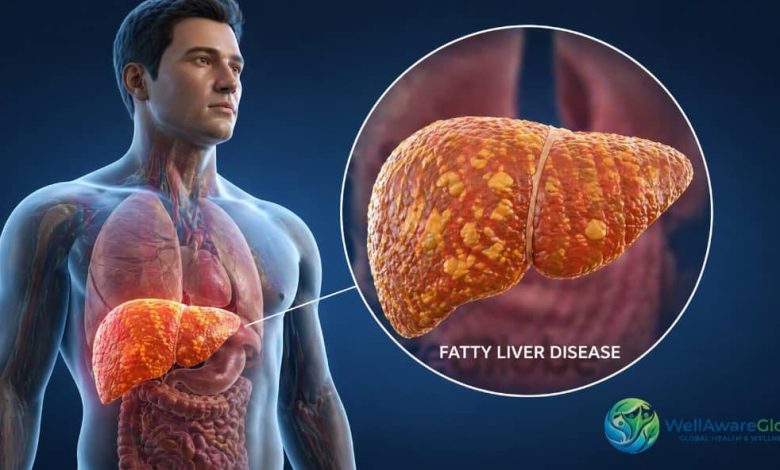
Fatty liver disease, known medically as hepatic steatosis, occurs when excess fat accumulates in liver cells. A small amount of fat in the liver is normal. When fat makes up more than five to ten percent of the liver’s total weight, it becomes a clinical concern.
There are two main types worth understanding. Non-alcoholic fatty liver disease (NAFLD) is the most common and is linked to diet, metabolic health, and lifestyle. Alcoholic fatty liver disease is caused by heavy alcohol consumption and follows a different treatment path. This article focuses on NAFLD and natural reversal strategies.
What Causes Fat to Build Up in the Liver
The liver processes everything you eat and drink, filtering toxins, producing bile for digestion, and regulating blood sugar. When it becomes overwhelmed, fat starts accumulating in its cells.
The most common causes of NAFLD include:
Eating a diet high in refined carbohydrates, sugar, and ultra-processed foods
Insulin resistance, which forces the liver to convert excess blood sugar into fat
Obesity, especially excess fat around the abdomen
Sedentary lifestyle with little to no regular physical activity
High triglyceride levels or low HDL cholesterol
Type 2 diabetes or prediabetes
Rapid weight loss or crash dieting, which paradoxically can stress the liver
Certain medications, including some steroids and cholesterol drugs
Understanding the root cause matters because it helps you target your natural reversal plan at what is actually driving the problem in your body.
How Quickly Does Fatty Liver Progress
Not everyone with fatty liver progresses to more serious disease. Many people remain at the simple steatosis stage for years. However, in some cases the condition advances to non-alcoholic steatohepatitis (NASH), which involves liver inflammation and cell damage. Left unaddressed, NASH can lead to fibrosis, cirrhosis, and in rare cases liver failure.
This is why early action matters so much. And this is also why the 30-day window for natural reversal is not just marketing language. The liver is one of the few organs with genuine regenerative ability. Given the right conditions, it can begin repairing itself in weeks.
Signs and Symptoms You Should Not Ignore
One of the most frustrating things about fatty liver is that it is often called a silent disease. In the early stages, many people have no obvious symptoms. The condition is often discovered during a routine blood test or ultrasound done for a completely different reason.
That said, there are symptoms that, when taken together, can suggest the liver is under strain.
Common Symptoms of Fatty Liver Disease
Pay attention to these signals your body may be sending:
Persistent fatigue that does not improve with rest
A dull ache or sense of fullness in the upper right abdomen
Unexplained weight gain, especially around the midsection
Bloating, gas, and digestive discomfort after eating
Difficulty concentrating or mental fog throughout the day
Elevated liver enzymes (ALT and AST) found on a blood test
Nausea or a general feeling of being unwell after fatty meals
It is important to note that these symptoms overlap with many other conditions. A proper diagnosis requires imaging, typically an ultrasound, and sometimes a liver biopsy. If you recognize these symptoms, your first step should always be a conversation with your doctor.
What Your Blood Work Might Show
Doctors often detect fatty liver through elevated liver enzymes, specifically alanine aminotransferase (ALT) and aspartate aminotransferase (AST). A fibroscan or abdominal ultrasound can visually confirm fat accumulation in the liver. These are important baselines to have before starting any natural reversal protocol, so you can track your progress.
How to Reverse Fatty Liver Naturally in 30 Days: The Core Plan
Here is where the real work begins. The good news is that reversing fatty liver naturally does not require extreme measures. It requires consistent, targeted changes across three areas: what you eat, how you move, and how you support your liver daily.
This 30-day framework is designed to be realistic and sustainable.
Week 1: Remove the Triggers
The first week is about subtraction more than addition. Before you can heal your liver, you need to stop the habits that are actively harming it.
In week one, commit to:
Eliminating added sugars and sweetened beverages completely, including fruit juices
Removing refined carbohydrates such as white bread, white pasta, pastries, and most packaged snacks
Cutting out fried foods and anything cooked in refined vegetable oils
Stopping all alcohol consumption for the duration of the plan
Reducing portion sizes, especially at dinner
This phase can feel challenging because sugar and refined carbs trigger dopamine responses in the brain. Mild cravings are normal. Drink plenty of water and eat enough protein and healthy fat at each meal to stay satisfied.
Week 2: Rebuild With Liver-Healing Foods
Once you have reduced the most damaging inputs, week two is about actively feeding your liver what it needs to repair itself. Focus on whole, anti-inflammatory foods that support liver cell function, reduce oxidative stress, and improve insulin sensitivity.
The key food groups for this phase include leafy green vegetables, cruciferous vegetables like broccoli and Brussels sprouts, high-quality protein sources, healthy fats from olive oil and avocado, and high-fiber foods that support gut health and stable blood sugar.
You will find a detailed breakdown of liver-healing foods in the next section.
Week 3: Add Movement and Lifestyle Support
Physical activity is one of the most powerful natural interventions for fatty liver disease because it directly reduces liver fat, improves insulin sensitivity, and lowers triglycerides. You do not need to run a marathon.
Research published in the journal Hepatology found that aerobic exercise reduced liver fat content independently of weight loss. This means even if the scale does not budge much, your liver is still benefiting from consistent movement.
Aim for at least thirty minutes of moderate-intensity activity five days per week. Brisk walking, cycling, swimming, and light resistance training are all excellent options. The best exercise is the one you will actually do consistently.
Week 4: Solidify the Habits and Assess Progress
In week four, the focus shifts to making these changes feel like part of your normal life rather than a temporary diet. Review how you feel. If you started with a blood test before the plan, consider scheduling a follow-up to check your liver enzymes. Reflect on which changes were easiest to keep and which need adjustment.
Many people report noticeable improvements in energy, digestion, and bloating by the end of week four. Liver fat reduction is measurable but requires imaging to confirm. The lifestyle habits built during this month are the foundation for long-term liver health.
The Best Foods That Heal Fatty Liver Fast
Food is medicine when it comes to liver health. Certain nutrients and compounds have been shown in clinical research to reduce liver fat, decrease inflammation, and support the liver’s natural detoxification processes.
Top Liver-Healing Foods to Eat Every Day
Leafy green vegetables such as spinach, kale, arugula, and Swiss chard are rich in glutathione, one of the liver’s most important antioxidants. They also contain nitrates that have been linked to reduced liver fat accumulation in research studies.
Cruciferous vegetables including broccoli, cauliflower, cabbage, and Brussels sprouts contain sulforaphane, a compound that activates detoxification enzymes in the liver and reduces oxidative damage to liver cells.
Coffee is one of the most studied foods for liver health. Multiple large studies have found that regular coffee consumption, two to three cups per day of filtered, unsweetened coffee, is associated with lower rates of NAFLD, reduced liver fibrosis, and lower levels of liver enzymes. The polyphenols in coffee appear to have genuine protective effects on liver tissue.
Walnuts are rich in omega-3 fatty acids, vitamin E, and polyphenols, all of which support liver function. A study in the journal Nutrients found that walnut consumption was associated with significantly lower odds of NAFLD.
Olive oil is the recommended cooking fat for liver health. It is rich in oleocanthal, a compound with anti-inflammatory properties, and monounsaturated fats that improve lipid profiles and reduce liver fat storage.
Fatty fish like salmon, mackerel, and sardines provide omega-3 fatty acids that reduce liver inflammation and triglyceride levels. Aim for two to three servings per week.
RECOMMENDED POST: Omega 3 Benefits for the Body
Garlic contains allicin, which has been shown in clinical trials to significantly reduce liver enzymes and improve liver fat levels in people with NAFLD.
Green tea contains catechins, powerful antioxidants that have been studied specifically for their liver-protective effects. Regular green tea consumption is associated with reduced liver fat and inflammation in several research reviews.
Foods to Avoid Completely During Your 30-Day Plan
Your liver’s ability to reverse fat accumulation depends just as much on what you remove as what you add.
Foods to eliminate or drastically reduce include:
Sugary drinks including soda, energy drinks, sweetened coffee, and store-bought juices
High-fructose corn syrup, found in many packaged foods, condiments, and cereals
Trans fats and partially hydrogenated oils found in many baked goods and fast foods
Alcohol in all forms, even in small amounts, which adds direct metabolic burden to the liver
Refined white carbohydrates that spike insulin and drive fat storage in liver cells
Processed meats high in saturated fat and preservatives
Reading ingredient labels becomes an important skill during this period. Many foods that seem healthy contain hidden sugars, refined oils, and artificial additives that burden the liver.
Daily Habits and Liver Detox Practices That Actually Work
Beyond food, certain daily habits create the biological conditions your liver needs to heal. These practices are supported by research, practical to implement, and do not require expensive supplements or complicated protocols.
Hydration: The Simplest Liver Support Tool
Your liver depends on adequate hydration to perform its filtering and detoxification functions efficiently. Dehydration thickens bile, slows toxin elimination, and stresses kidney-liver cooperation.
Aim for eight to ten glasses of water per day. Starting your morning with a large glass of water with a squeeze of fresh lemon is a popular and genuinely useful habit. Lemon water provides a small dose of vitamin C and has a mild alkalizing effect that supports digestive function, though it is the hydration itself that provides the most benefit.
Sleep: The Underrated Liver Healer
Most biological repair and regeneration happens during deep sleep. The liver is no exception. Research has found that sleep deprivation and poor sleep quality are independently associated with higher rates of NAFLD and worse metabolic markers.
Consistent, quality sleep of seven to nine hours per night supports healthy hormone regulation, particularly insulin and cortisol, both of which directly affect how the liver processes and stores fat.
Habits that improve sleep quality for liver health:
Maintain a consistent sleep and wake schedule every day, including weekends
Keep the bedroom dark, cool, and quiet
Avoid eating large meals within two to three hours of bedtime
Reduce screen exposure in the hour before sleep
Limit caffeine to before 2 p.m.
Stress Management and the Liver Connection
Chronic psychological stress elevates cortisol levels, which drives insulin resistance, increases inflammation, and contributes to fat accumulation in the liver. Managing stress is not optional for liver health, It is a clinical necessity.
RECOMMENDED POST: Simple Daily Mental Wellness Habits for Busy Adults in the US and UK
Simple, consistent practices like ten minutes of deep breathing daily, a short walk in nature, journaling, or gentle yoga have been shown to measurably reduce cortisol and improve metabolic markers over time.
Supplements With Evidence Behind Them
While no supplement replaces food and lifestyle changes, a few have genuine research support for fatty liver:
Milk thistle (silymarin) is the most studied herbal supplement for liver health. Multiple clinical trials have shown it reduces liver inflammation, oxidative stress, and ALT levels in people with NAFLD. Look for a standardized extract of 70 to 80 percent silymarin.
Berberine is a plant compound that activates AMPK, an enzyme that improves insulin sensitivity and reduces liver fat production. Several clinical trials have shown it compares favorably to metformin for improving NAFLD markers.
Vitamin E has been studied in clinical trials for NASH specifically, with research showing it reduces liver inflammation and damage in non-diabetic adults with NAFLD.
Always discuss supplements with your healthcare provider before starting them, particularly if you take any medications, as some supplements interact with prescription drugs.
Real-World Results: Stories From People Who Turned It Around
Understanding what is possible matters when you are starting a 30-day plan that requires real commitment. These stories represent the kinds of outcomes that are achievable with consistent effort.
James, 47: From Elevated Enzymes to Normal Levels
James found out he had a fatty liver during a routine physical. His ALT was nearly three times the upper limit of normal. His doctor told him lifestyle change was the first line of treatment. James was skeptical. He had tried diets before and they never stuck.
This time, instead of overhauling everything at once, he started with two changes. He cut out sugary drinks completely and replaced his afternoon snack with a handful of walnuts and an apple. Two weeks later, he added a thirty-minute walk after dinner.
At his three-month follow-up, his ALT had dropped by more than sixty percent. His doctor called it a textbook response to lifestyle intervention.
Linda, 39: Reversing the Damage From Years of Poor Eating
Linda was diagnosed with NAFLD at thirty-six and spent three years assuming nothing could be done without medication. After reading about the liver’s regenerative capacity, she committed to a whole-food diet for 30 days, focusing heavily on leafy greens, fish, olive oil, and cutting refined carbs.
She also began sleeping a consistent eight hours and added two cups of coffee to her daily routine after reading about its liver benefits. At her six-month ultrasound, her gastroenterologist noted a significant reduction in liver echogenicity, meaning measurably less fat. She described the experience as realizing that her choices had power she had not given them credit for.
These are not outlier results. They reflect what the research consistently shows: the liver responds to consistent, targeted lifestyle change, and it can begin doing so within weeks.
When to See a Doctor About Fatty Liver Disease
Natural reversal methods are genuinely effective for many people with early-stage NAFLD. However, there are important situations where medical oversight is not just helpful but necessary.
See a doctor promptly if you experience:
Yellowing of the skin or eyes (jaundice), which indicates serious liver dysfunction
Severe abdominal pain or swelling in the abdomen
Vomiting blood or noticing blood in your stool
Sudden and significant unexplained weight loss
Extreme fatigue that interferes with basic daily function
A diagnosis of NASH or advanced fibrosis, which requires monitoring and often medication
You should also work with a doctor if you have diabetes, significant insulin resistance, or other metabolic conditions, as these require integrated management. A hepatologist or gastroenterologist can provide imaging, blood work, and specialist guidance that is critical for anyone with moderate to severe fatty liver.
For those in the early stages, regular monitoring every six to twelve months, including liver enzyme panels and ultrasound, allows you to track whether your natural interventions are working and catch any progression early.
Frequently Asked Questions
1: Can you really reverse fatty liver in 30 days?
The honest answer is: you can make significant and measurable progress in 30 days, but complete reversal depends on how advanced your condition is. Research shows that liver fat can decrease measurably within two to four weeks of dietary changes and increased physical activity. However, complete normalization of liver enzymes and liver fat typically takes three to six months of consistent effort. Think of 30 days as a powerful, proven starting point. The habits you build in this first month create the conditions for full recovery over the months that follow.
2: What is the fastest natural way to reduce liver fat?
The combination of reducing refined carbohydrates and added sugar while increasing aerobic exercise is consistently identified in clinical research as the most rapid and effective natural approach to reducing liver fat. Sugar and fructose in particular are processed almost entirely by the liver and are a primary driver of fat accumulation. Removing them creates an immediate reduction in the liver’s fat production load. Adding thirty minutes of moderate cardio exercise most days accelerates liver fat burning and improves insulin sensitivity simultaneously, making this combination more powerful than either change alone.
3: Are there specific foods I should eat every day to support liver healing?
Yes. Based on the most current research, the foods with the strongest evidence for daily liver support are leafy green vegetables, cruciferous vegetables like broccoli, unsweetened coffee (two to three cups), walnuts, extra virgin olive oil, and fatty fish two to three times per week. These provide antioxidants, anti-inflammatory compounds, omega-3 fatty acids, and fiber that collectively reduce liver fat, decrease oxidative stress, and support liver cell repair. Eating as many of these foods as possible on a daily basis, while removing processed foods and added sugars, creates a powerful nutritional environment for liver regeneration.
Your Liver Can Heal, and So Can You
Here is what is worth remembering above everything else in this article. Your liver is one of the most resilient and regenerative organs in your entire body. Unlike your heart, which cannot replace damaged cells, the liver can genuinely rebuild itself when given the right support.
The 30-day plan outlined here is not a quick fix or a promise of overnight transformation. It is a structured, honest, research-backed approach to creating the exact conditions your liver needs to heal. Remove the foods and habits that are driving fat accumulation. Add the foods, movement, sleep, and daily practices that support repair. Be consistent. Give it time.
Most people who commit to this kind of plan see real changes in how they feel, how their blood work looks, and over time, how their imaging results improve. The liver does not need you to be perfect. It needs you to be consistent.
Start with one change today. Maybe it is swapping your afternoon soda for water. Maybe it is taking a twenty-minute walk after dinner. Maybe it is making an appointment with your doctor to get a baseline blood panel.
One action leads to another. And your liver, that quietly hardworking organ doing hundreds of jobs every single day without complaint, is worth every one of them.
If this article gave you useful information, share it with someone who might need it. The more people understand that fatty liver is largely reversible, the more people will take the steps to reverse it.