How to Start Eating Healthy: A Complete Beginner’s Guide to Clean Eating


How to start eating healthy involves making gradual, sustainable changes to your diet replacing processed foods with whole foods, controlling portion sizes, staying hydrated, and building consistent meal routines. Small daily decisions compound into lasting health improvements over time.
Why Eating Healthy Is the Single Best Investment in Your Life
Starting a healthy diet is one of the most impactful decisions you can make for your long-term well-being. Yet for most people, the question isn’t why to eat healthy it’s how to actually start without feeling overwhelmed, deprived, or confused by conflicting nutrition advice.
The global wellness industry is flooded with fad diets, miracle superfoods, and one-size-fits-all meal plans. But the science of nutrition is clear: sustainable, whole-food-based eating is the gold standard for managing weight, preventing chronic disease, boosting energy, and improving mental clarity.
This guide distills evidence-based strategies from registered dietitians, published research, and clinical nutrition guidelines to help you build a healthy eating pattern starting today.
What Does “Eating Healthy” Actually Mean?
Before diving into steps, it helps to define the term. Healthy eating is not about perfection, calorie obsession, or eliminating entire food groups. According to the Dietary Guidelines for Americans 2020–2025 (published by the U.S. Department of Health and Human Services), a healthy dietary pattern:
- Emphasizes fruits, vegetables, whole grains, and lean proteins
- Includes low-fat or fat-free dairy (or fortified alternatives)
- Limits added sugars, saturated fats, sodium, and ultra-processed foods
- Stays within your individual calorie needs
The Mediterranean diet, the DASH diet, and the whole-food, plant-based diet are consistently ranked by nutrition experts as three of the most evidence-backed approaches for overall health.
Step 1: Audit Your Current Diet (Know Your Baseline)
The first step to eating better is understanding where you are right now. Before changing anything, keep a 3-day food journal documenting every meal, snack, and beverage.
Look for:
- How many servings of fruits and vegetables you consume daily
- How often you eat ultra-processed foods (packaged snacks, fast food, sugary drinks)
- Whether you skip breakfast or eat large meals late at night
- Your average daily water intake
Tools to use: Apps like MyFitnessPal, Cronometer, or Lose It! allow you to log meals and automatically track macronutrients (carbohydrates, proteins, fats), fiber, sodium, and micronutrients.
NLP/Semantic Keywords: food diary, nutritional tracking, dietary awareness, caloric intake analysis, meal logging
Step 2: Apply the 80/20 Rule for Sustainable Change
One of the biggest mistakes beginners make is going “all-in” too fast. Overhauling your entire diet overnight leads to deprivation, cravings, and eventually, relapse into old patterns.
Instead, use the 80/20 rule: aim for nutritious, whole food choices 80% of the time and allow flexibility 20% of the time. This approach:
- Reduces psychological stress around food
- Makes healthy eating a lifestyle, not a diet
- Prevents the “cheat day” binge cycle
Research published in the American Journal of Clinical Nutrition supports that flexible dietary restraint allowing occasional indulgences leads to better long-term adherence and weight maintenance compared to rigid restriction.
Step 3: Build Your Plate Using the Harvard Healthy Eating Plate Model
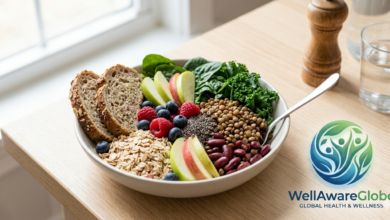
The Harvard T.H. Chan School of Public Health’s Healthy Eating Plate is one of the most trusted visual guides for balanced meal composition. Use this as your template at every meal:
| Section | What Goes Here | Proportion |
|---|---|---|
| Vegetables & Fruits | Non-starchy veggies, leafy greens, berries | ½ the plate |
| Whole Grains | Brown rice, oats, quinoa, whole-wheat bread | ¼ the plate |
| Healthy Protein | Chicken, fish, legumes, eggs, tofu | ¼ the plate |
| Healthy Fats | Olive oil, avocado, nuts (in moderation) | Side/cooking fat |
| Beverages | Water, unsweetened tea, coffee | Primary drinks |
Key principle: Fill half your plate with colorful vegetables and fruits at every meal. This single habit alone dramatically increases fiber, antioxidants, vitamins, and minerals while naturally crowding out less nutritious options.
Step 4: Replace Ultra-Processed Foods Gradually
Ultra-processed foods (UPFs) including packaged snacks, instant noodles, flavored chips, sugary cereals, and carbonated soft drinks are engineered to override your natural hunger signals. A landmark 2019 study by Cell Metabolism found that participants eating an ultra-processed diet consumed 500 more calories per day than those eating minimally processed foods, even when given the same nutritional information.
Simple swaps to start today:
| Instead of… | Try… |
|---|---|
| White bread | 100% whole-grain or sourdough bread |
| Potato chips | Air-popped popcorn or rice cakes |
| Sugary breakfast cereal | Rolled oats with berries and chia seeds |
| Soda | Sparkling water with lemon or mint |
| Candy bar | A handful of mixed nuts and dark chocolate |
| Flavored yogurt | Plain Greek yogurt with honey and fruit |
Semantic SEO terms: clean eating swaps, processed food alternatives, real food nutrition, minimally processed diet
Step 5: Prioritize Protein at Every Meal
Protein is the most satiating macronutrient, meaning it keeps you fuller for longer, reduces cravings, and supports muscle maintenance even during weight loss. Most adults are chronically under-consuming protein at breakfast while over-consuming refined carbohydrates.
High-protein food sources to include:
- Animal-based: Eggs, Greek yogurt, cottage cheese, chicken breast, tuna, salmon, lean beef
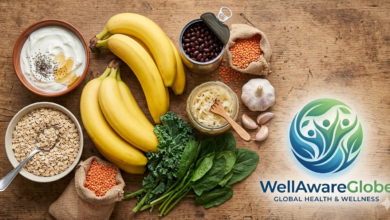
- Plant-based: Lentils, chickpeas, black beans, edamame, tofu, tempeh, hemp seeds, quinoa
Aim for 20–30g of protein per meal to maximize muscle protein synthesis and appetite control throughout the day.
Step 6: Master Meal Prep Your Secret Weapon
Meal preparation is the single most reliable predictor of healthy eating consistency. People who prepare meals at home consume fewer calories, less sodium, and more fiber than those who rely on restaurant or takeaway food, according to a study published in Public Health Nutrition.
Simple meal prep framework (30–60 minutes per week):
- Pick 2–3 proteins (e.g., boiled eggs, grilled chicken, canned tuna)
- Cook one grain in bulk (e.g., brown rice or quinoa)
- Wash and chop vegetables for easy snacking and cooking
- Prepare 2 sauces or dressings to add variety (e.g., tahini, olive oil-lemon)
- Portion snacks into small containers (nuts, fruit, hummus)
With a stocked fridge, making a nutritious meal becomes faster than ordering takeout.
Step 7: Fix Your Relationship with Food
Nutrition is not just physiological it’s deeply psychological. Emotional eating, stress-induced cravings, and all-or-nothing thinking are major barriers to healthy eating.
Mindful eating practices that research supports:
- Eat slowly and chew thoroughly (it takes ~20 minutes for fullness signals to reach the brain)
- Avoid screens while eating to stay present and aware of hunger/satiety cues
- Identify emotional triggers that lead to overeating (stress, boredom, loneliness)
- Practice hunger scale awareness: Eat at a 3–4 (moderately hungry), stop at 7 (satisfied, not stuffed)
NLP terms: hunger awareness, intuitive eating, satiety cues, emotional eating recovery, food relationship healing
Step 8: Stay Hydrated Hunger Is Often Thirst in Disguise
Mild dehydration is frequently misread by the brain as hunger. The National Academies of Sciences recommends approximately 3.7 liters (125 oz) for men and 2.7 liters (91 oz) for women of total water daily from both beverages and food.
Hydration tips:
- Drink a glass of water before every meal
- Carry a reusable water bottle throughout the day
- Eat water-rich foods: cucumbers, watermelon, oranges, celery, soups
- Add electrolytes (sodium, potassium, magnesium) if you exercise intensely
Step 9: Learn to Read Nutrition Labels
Food packaging is a marketing minefield. Learning to decode Nutrition Facts labels empowers you to make genuinely informed choices.
What to check first:
- Serving size: the entire label is based on this; one “serving” may be much smaller than you think
- Added sugars: limit to under 25g/day (WHO recommendation)
- Sodium: aim for under 2,300mg/day
- Fiber :aim for 5g+ per serving; higher is better
- Ingredients list: if it reads like a chemistry formula, put it back
Red flags: High fructose corn syrup, partially hydrogenated oils (trans fats), excessive sodium, artificial colors (Red 40, Yellow 5), and carrageenan.
Step 10: Build a Support System and Consistent Environment
Your environment shapes your choices far more than willpower alone. A study published in Obesity Reviews found that environmental food cues what you see, smell, and have easy access to drive a significant portion of daily eating decisions.
Environmental design strategies:
- Clear your pantry of temptation foods and restock with healthy staples
- Place fruit in a visible bowl on your counter
- Prep healthy snacks at eye level in the fridge
- Plan meals for the week every Sunday
- Tell friends and family about your goals so they can support (not sabotage) you
FAQ: How to Start Eating Healthy (Featured Snippet Optimized)
Q: How do I start eating healthy with no experience? Start by making one small change per week: swap one processed snack for a piece of fruit, drink an extra glass of water daily, or add a serving of vegetables to one meal. Small wins build momentum without overwhelming your routine.
Q: What is the best first step to eating healthy? The single best first step is to audit what you currently eat by keeping a 3-day food diary. Awareness of your baseline habits is the foundation of meaningful change.
Q: How long does it take to see results from eating healthy? Most people notice improved energy, digestion, and mood within 2–4 weeks of consistently eating a whole-food diet. Weight and metabolic changes typically become measurable within 4–8 weeks.
Q: Is it expensive to eat healthy? No. Staples like oats, lentils, eggs, frozen vegetables, canned beans, and brown rice are among the most affordable and nutritious foods available. Strategic meal planning reduces food waste and overall grocery costs.
Q: Can I eat healthy without giving up my favorite foods? Absolutely. The 80/20 approach means 80% nutritious eating with 20% flexibility. Depriving yourself entirely typically increases cravings and reduces long-term adherence.
Sources to Suggestions
- Dietary Guidelines for Americans 2020–2025
- Harvard T.H. Chan School of Public Health – The Nutrition Source
- World Health Organization – Healthy Diet Fact Sheet
- PubMed – Ultra-processed Food Studies
- Academy of Nutrition and Dietetics
Recommeneded Post You Will Like:
- Best Healthy Meal Prep Recipes for Beginners
- How Much Protein Do You Need Per Day?
- What to Eat Before and After a Workout
Consistency Beats Perfection
Learning how to start eating healthy is less about following a strict rulebook and more about building a sustainable relationship with real, nourishing food. The key principles are universal: eat more whole foods, reduce ultra-processed choices, stay hydrated, plan ahead, and be kind to yourself on imperfect days.
The best diet is the one you can maintain for life not the one that promises the fastest results. Start with one small step today, and let consistency do the work over time.




This whole write-ups are helpful